Birding back at camp
There’s very little daylight left after a full day volunteering in Kenyan schools, but I intend to make the most of it.
Here’s my surprisingly luxurious tent for the week at Muthoki Country Lodge:
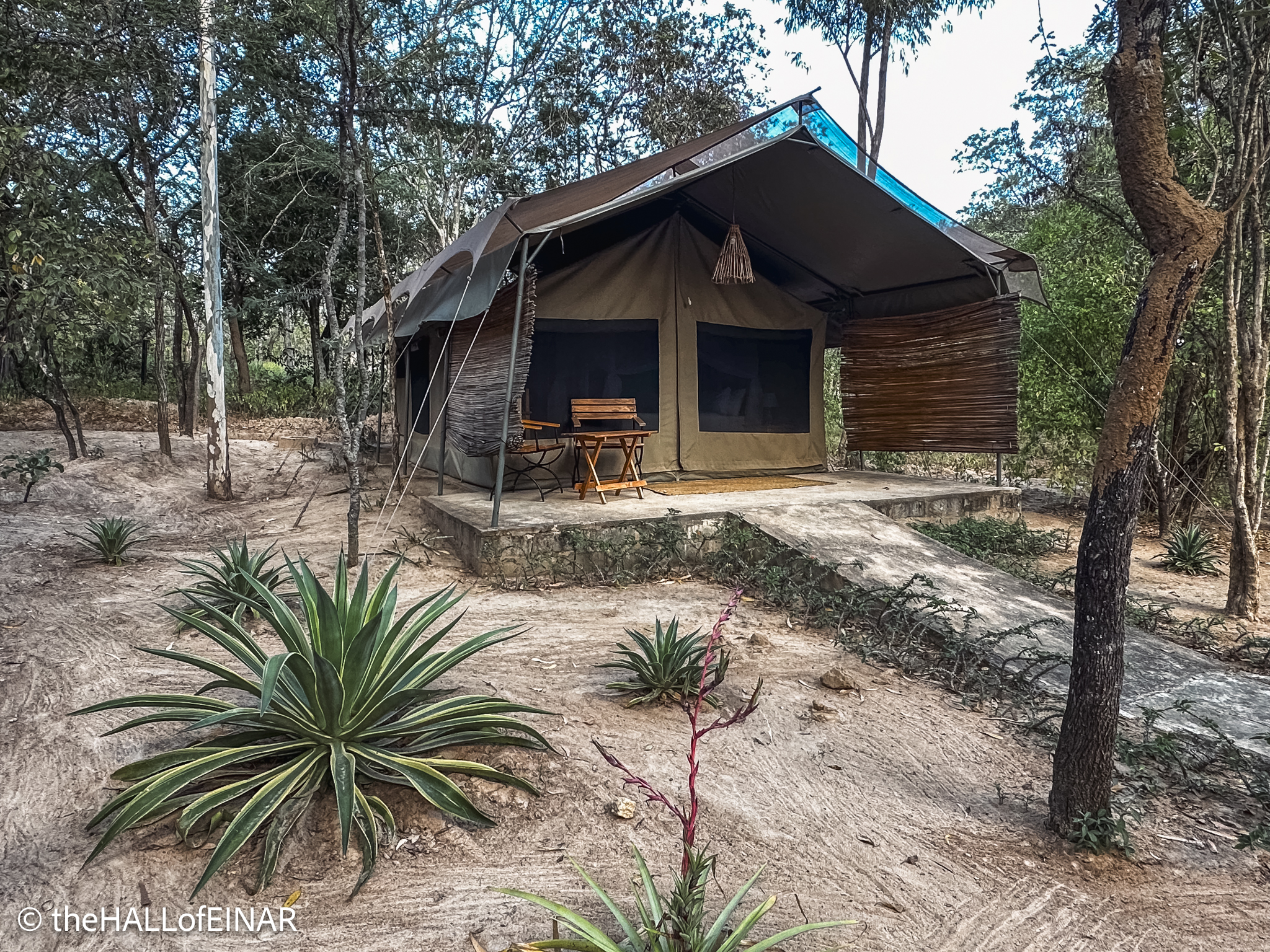
It’s a quick turnaround as I grab my camera and head off down through the 40 acres of woodland to the lake from which the sound of frogs croak in the night. It’s an idyllic spot, full of life because of the efforts of the owners over many decades of inspirational reclamation and investment.
Initially I’m excited. Then disappointed.
The bird by the side of the lake? A Grey Heron, Ardea cinerea, a common bird in the UK. “Native throughout temperate Europe and Asia, and also parts of Africa.” Oh dear. Seen it before. In Central London in The Regent’s Park.
The small bird with chicks on the lake itself? A Little Grebe, Tachybaptus ruficollis, a common bird in the UK. Oh dear. Seen it before. In Central London in The Regent’s Park. Maybe this is a different subspecies? The sub-Saharan one?
Then I see a bird I’ve never seen before:
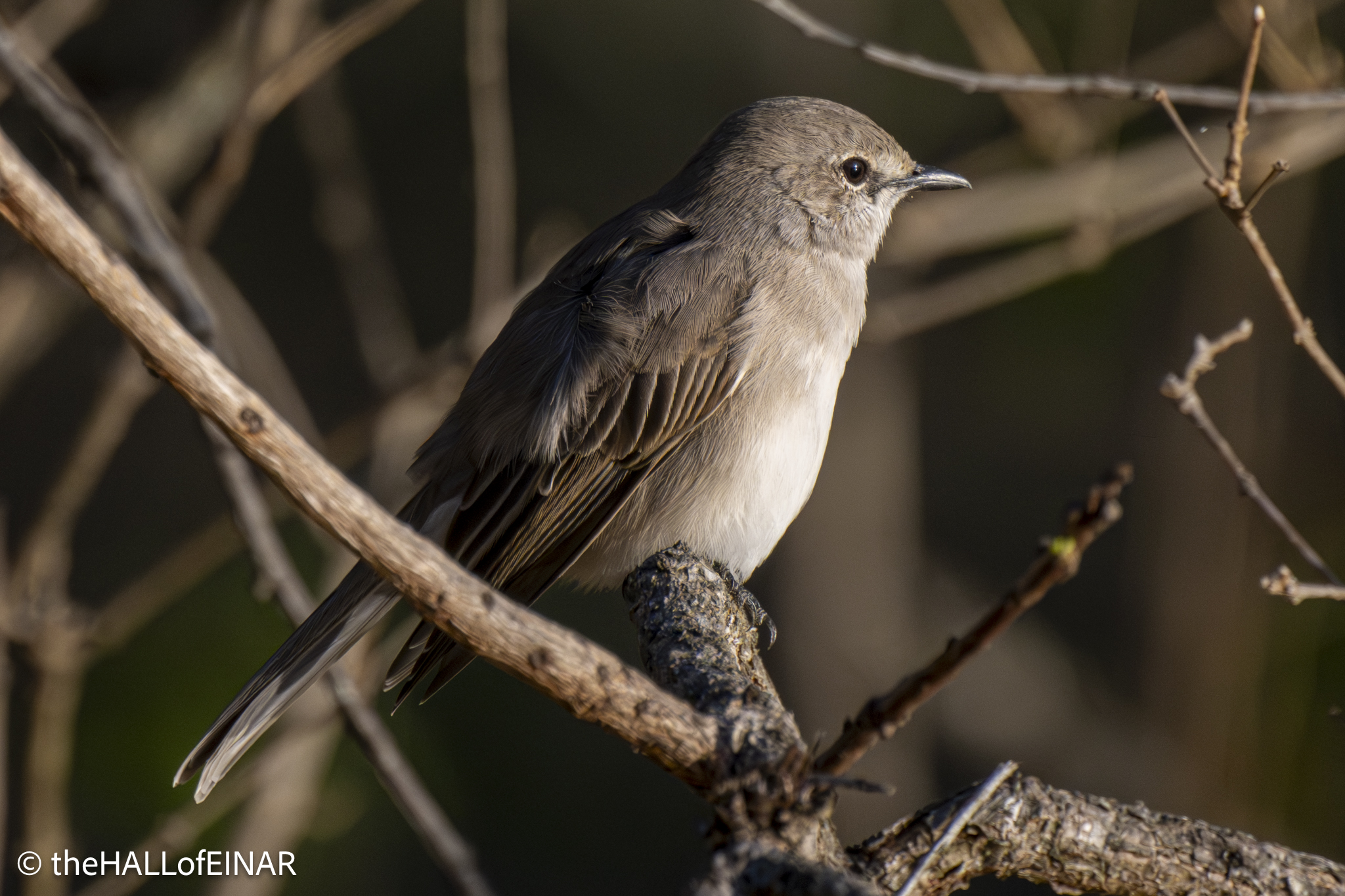
It’s tiny, grey-brown and acting just like a flycatcher, except it’s not moving very much. It looks like an African Grey Flycatcher, Bradornis microrhynchus. My book says “Greyer than Pale Flycatcher, with streaked forecrown and smaller bill.” The name Briodornis is from the Ancient Greek words bradus, meaning “slow” or “sluggish,” and ornis, meaning “bird”. Microrhynchus means small bill. The African Grey Flycatcher: a sluggish bird with a small bill.
There’s also a bright yellow bird in the same series of bushes. I don’t want to get too close to them as they might fly.

This one is a Golden Breasted Bunting, Emberiza flaviventris. Flaviventris means yellow-breasted. It’s a bird of open woodland. What a stunner.
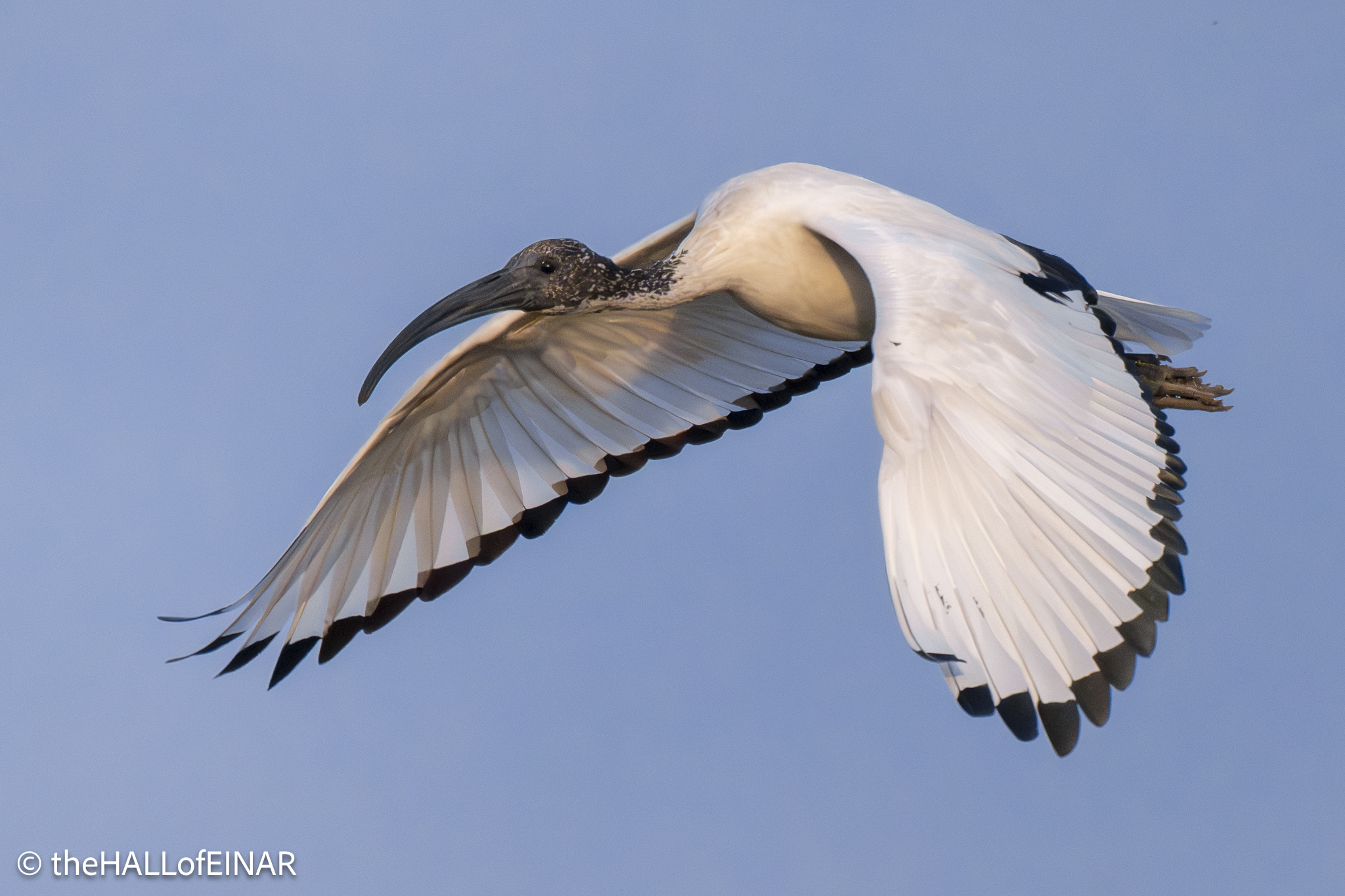
As the light disappears fast, with the sun going directly down and out of sight, the atmosphere around the lake changes, and, just as the light becomes too poor for photography, a small group of African Sacred Ibis, Threskiornis aethiopicus, appear to roost in the tall trees around the lake.
It’s time to find out that the hot water has all been used by the other volunteers and that they are all wonderful people at our first dinner together. I’m also about to experience the joy of farm-to-table dining. I’ve come prepared with an icebreaker exercise if we need one. I’ve had some of my favourite Puffin photographs printed as postcards and aim to spread them out on a side-table and ask everyone to choose their ‘Spirit Puffin’; the one photograph of a Puffin which speaks to them. It works like a dream. Everyone’s very keen to choose theirs. After dinner we sit around the campfire and each person says what drew them to their Spirit Puffin.
I join in and choose mine. This is it:

It’s because it shows the struggle to earn a living, provide for your family, ensure your chick gets enough food, and the need to develop resilience to weather the storms and Atlantic spray which come your way. Somehow, this Puffin makes it back to its chick with a beak full of sand eels. As a working man who supported a family over many decades, I identify with that Puffin. It is my Spirit Puffin.
Out of all my photographs of Puffins here on my blog, which is your Spirit Puffin?
Tomorrow we’ll be out at more schools, hopefully running sessions for 0-5 year olds and their parents. In the evening I hope to be out by the lake just before the sun goes down once again.
As I lie in my tent, on the four-poster bed, underneath the mosquito net, listening to the frogs croaking from the lake and waiting for the Bushbabies to scream again outside, I think to myself, “It’s Kenya out there”.
More adventures in Kenya
 A White-Headed Saw-Wing There's an all-black Swallow-type bird next to our route, as we drive along the dusty compressed-earth tracks of the Masai… read more
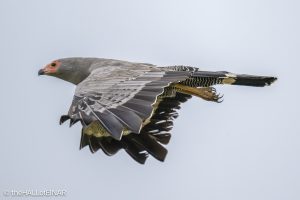 The double-jointed ankles of the African Harrier Hawk It's the tiny head which first strikes me; and then the bare face with the orange skin. It's an African… read more
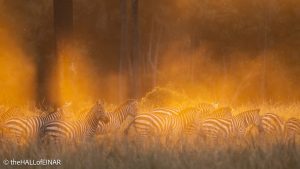 Zebras at sunset and a vision of heaven My guide, Johnson, here at Governors' Camp in the Masai Mara, has been brilliant. He's responded to my every wish,… read more
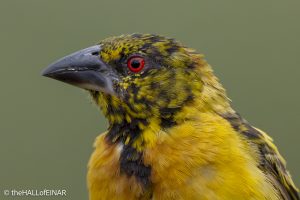 The Village Weaver As we head back to camp, I can see birds bathing in the pools of water left by the ruts… read more
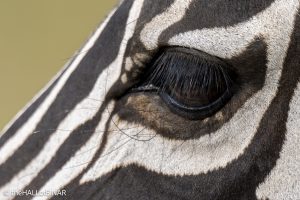 Go on, bat those eyelashes at me I love how playful and how brown and fluffy the young Zebras are here in the Masai Mara. They're still… read more
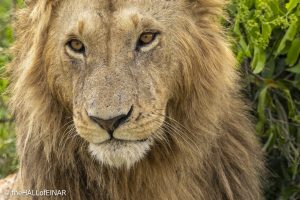 Lion’s mane Isn't this big male Lion's mane fabulous? Lionesses prefer male Lions which have a dark bushy main. It's a sign… read more
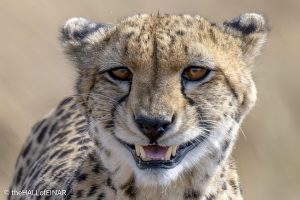 Cheetahs in the Masai Mara Gladys is driving us towards a pair of Cheetahs. "Oh yes! There". We're an excited group of four. A pair… read more
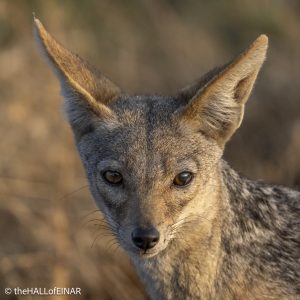 Black-Backed Jackals Those cunning tricksters, the Black-Backed Jackals are back. Their ears are so pointy, and so are their noses. What a… read more
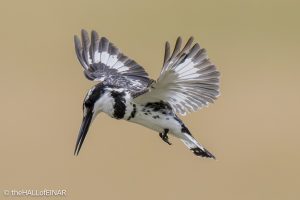 Pied Kingfisher This is my first view of a Pied Kingfisher. They are massive compared with the Common Kingfishers we see in… read more
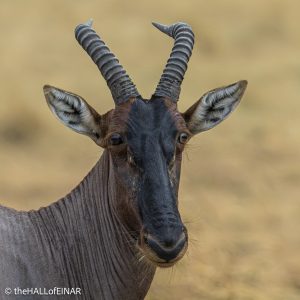 Topi There's a fast antelope called a Topi here. They often like to stand on hillocks, looking like sentinels. The only… read more
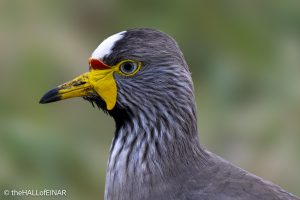 African Wattled Plover No sweat. That's the problem with being a bird. Humans have sweat gland which act to produce water which cools… read more
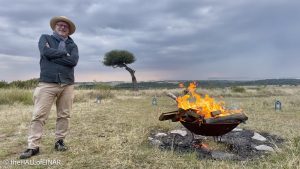 Plunge pools, Superb Starlings and sundowners Here at Mara Ngenche Safari Camp the luxury is embarrassing. A beautiful two-room tent with outside shower and private plunge… read more