A day of Giraffes, Drongos, Sacred Ibis, Coucals and Snake-Eagles
Masai Giraffes are tall. There are four species of Giraffe and this one is native to the Masai Mara. I love the leaf-like patterns all over its body. It’s such a beautiful natural pattern.
This one is a male, as his horns have bald tops. He’s obviously been fighting with the other males again.

One of the common birds of bush-tips here is the Common Drongo. The adults have gorgeous red eyes. Their forked tails are a familiar sight. They are also called the Fork-Tailed Drongo, Dicrurus adsimilis.

They have long sensitive rictal bristles, or whiskers, around their beaks. They must be mainly insectivorous.
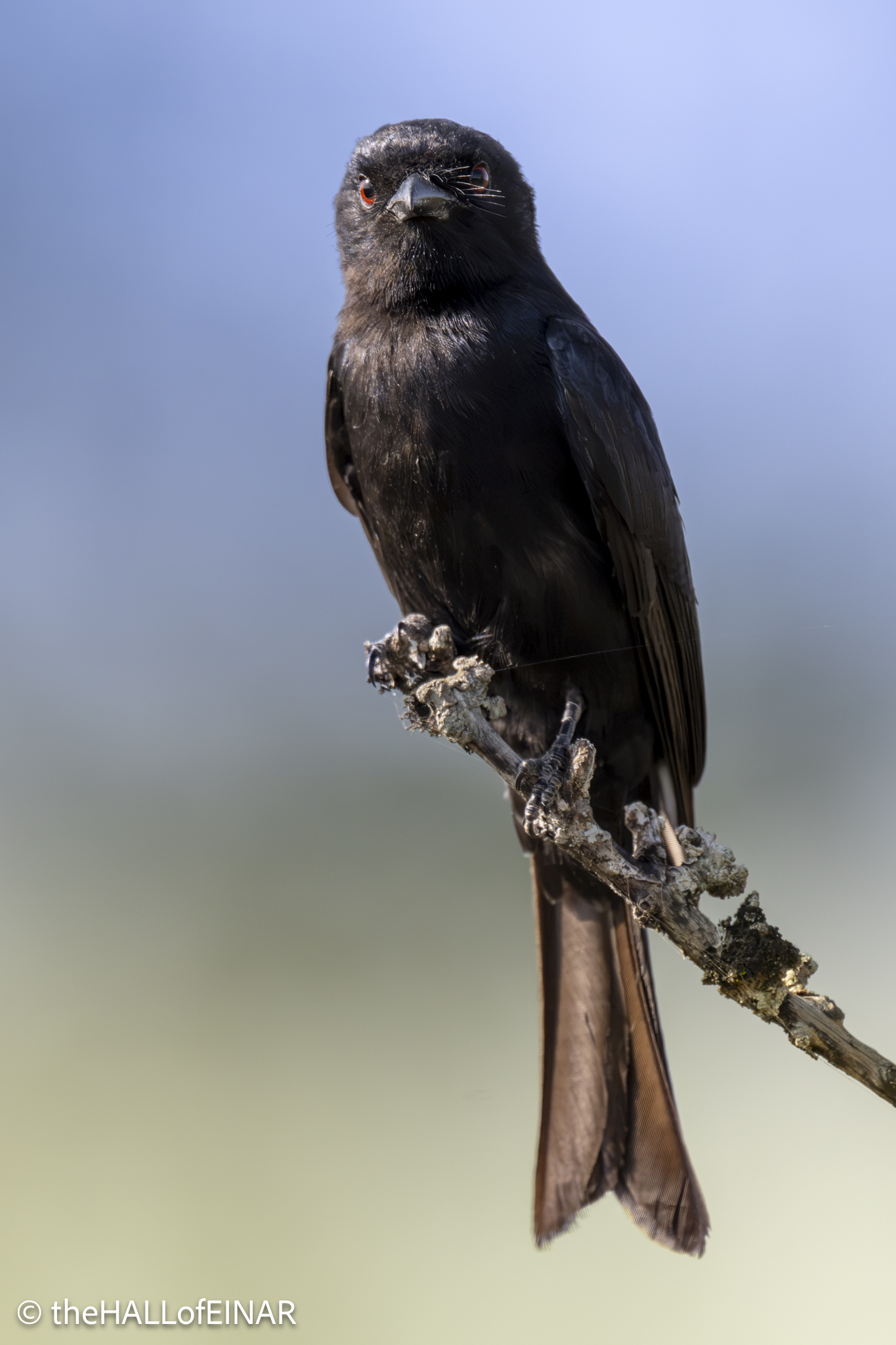
Common Drongos steal food from other birds and eat food items which have been disturbed by other species. They are very wary and utter alarm calls whenever they see predators. They also utter alarm calls which are false just to steal other species’ food.
Now that’s Clever.
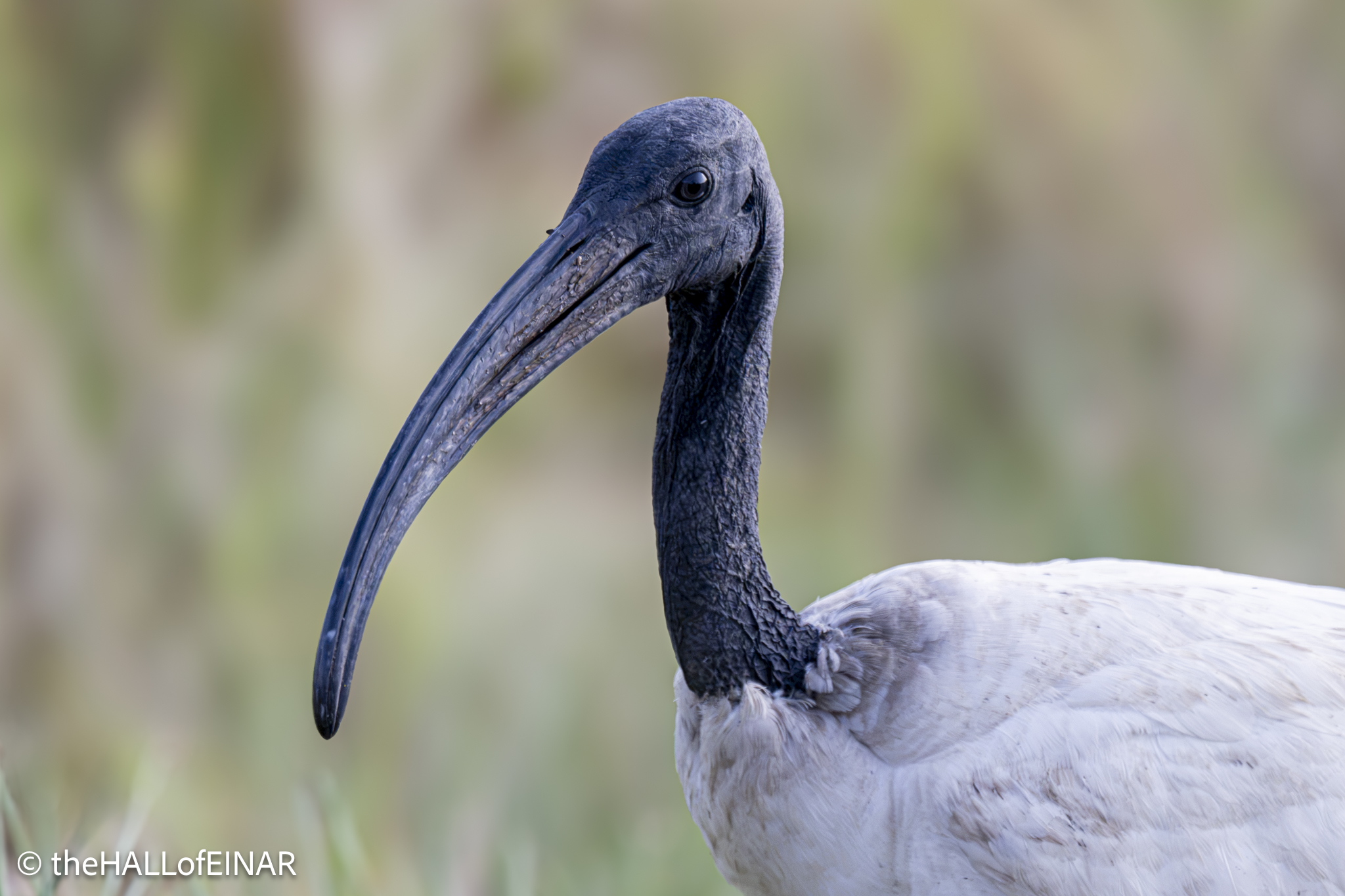
There’s an African Sacred Ibis near a pool, with its strange but elegant bare neck. The African Sacred Ibis, Threskiornis aethiopicus, is closely related to the Australian White Ibis, which I’ve seen when I went to Australia for half a day’s work, and is known as the Bin Chicken.
There’s a White-Browed Coucal or Lark-Heeled Cuckoo, Centropus superciliosus, in the undergrowth. They seem to love being embedded in bushes which makes photographing one cleanly a nightmare.

Those intense red eyes are lovely, though, aren’t they?
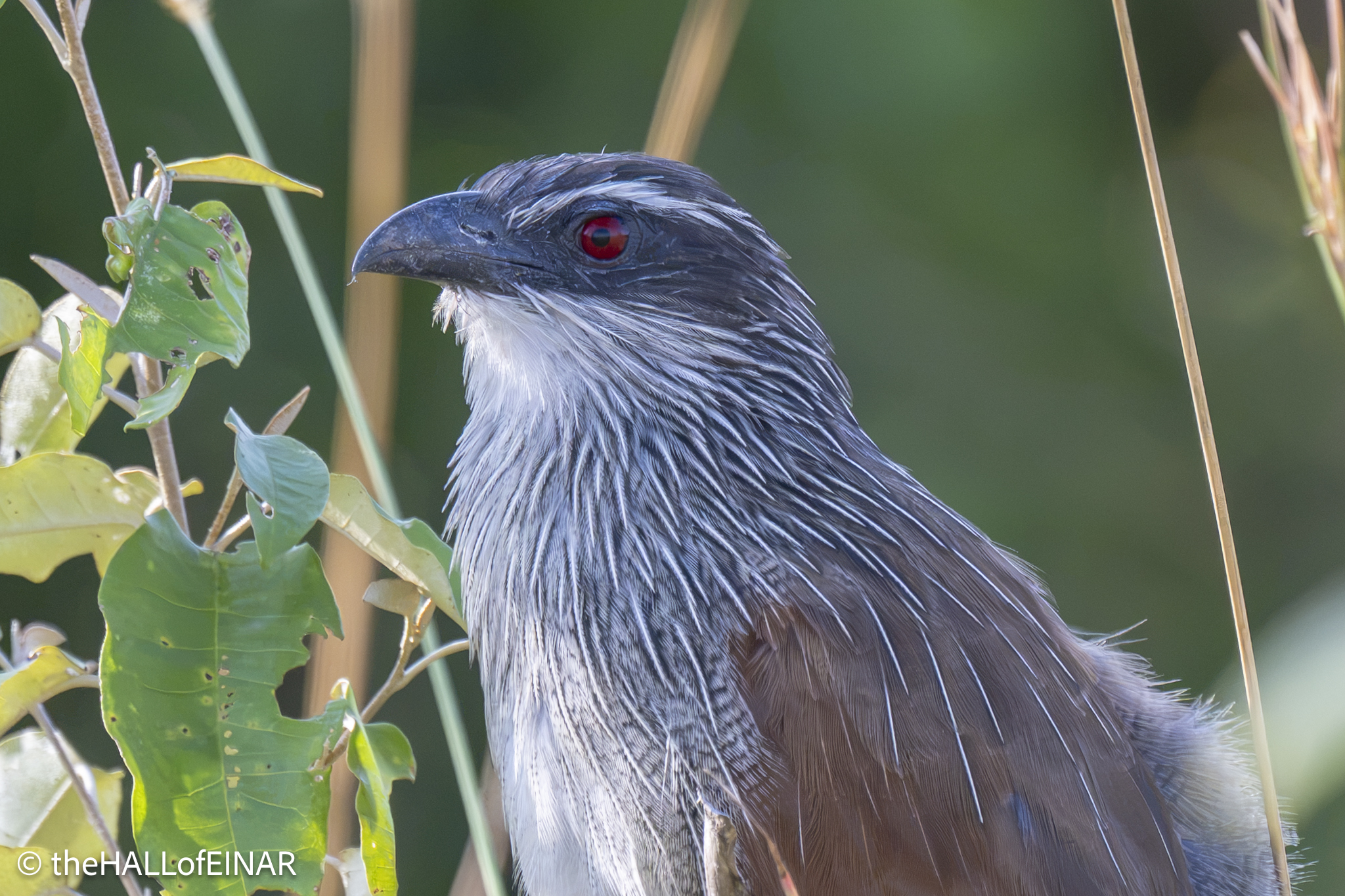
It’s a clumsy, ungainly bird, crashing about, unable to balance properly in the undergrowth it prefers. Unlike the Common Cuckoo, the White-Browed Coucal isn’t a nest parasite and raises its own chicks.
Then there’s the thrill of the day.
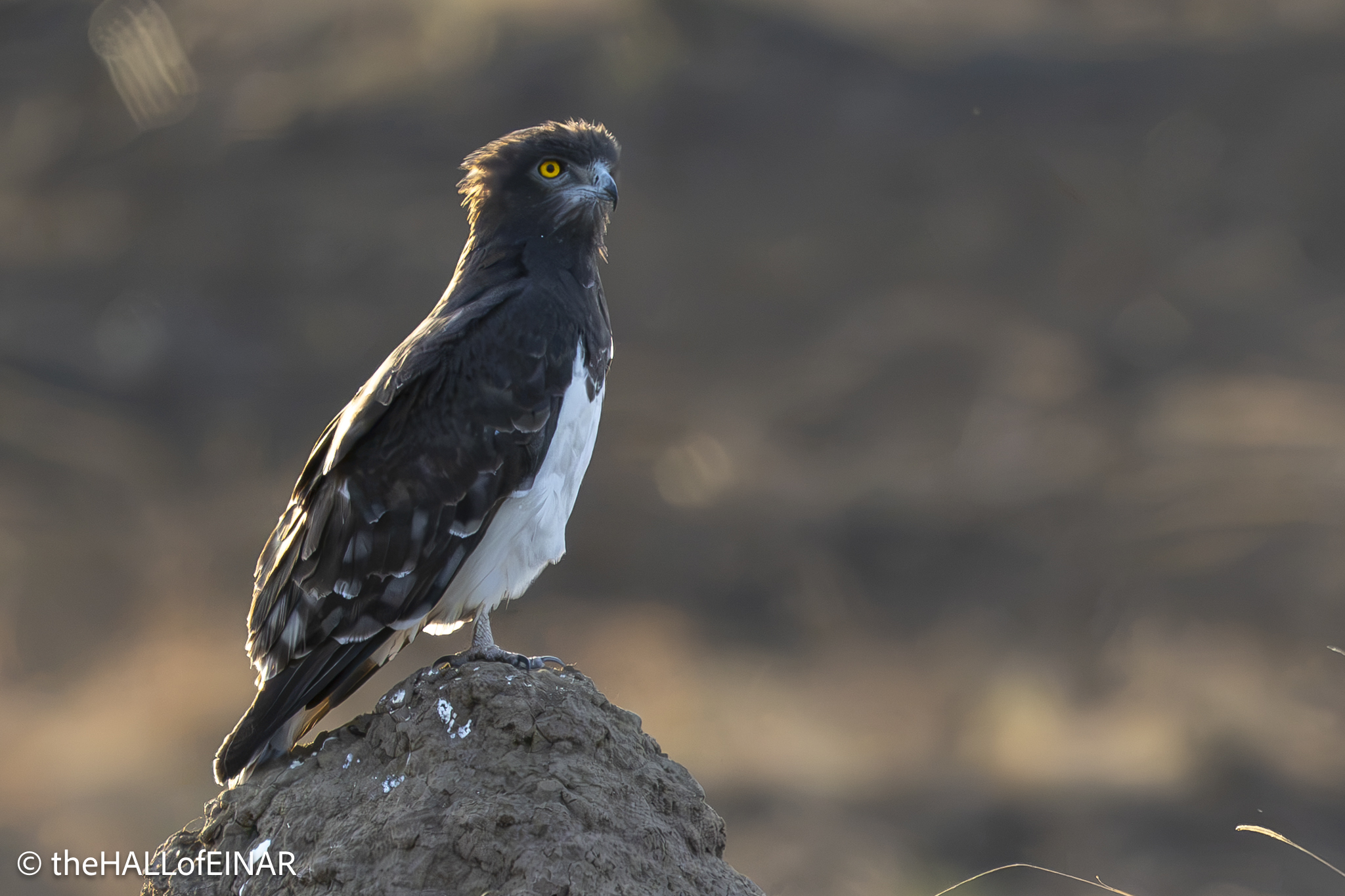
There’s a Black-Chested Snake Eagle or Black-Breasted Snake Eagle, Circaetus pectoralis, on this small rock. It’s a perfect perch to spot smaller items of prey.

The bright yellow eyes are fabulous.
Those are just a few of today’s birding experiences in the Masai Mara. What a fabulous place and how wonderful to share it with good people.
More on safari in Kenya
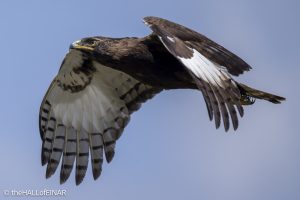 The Long-Crested Eagle awaits us I'm glad that I've learned never to turn my camera off or to put my lens hood on until I'm… read more
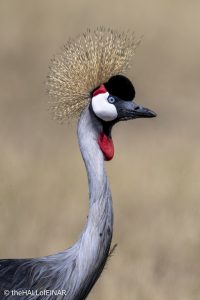 Grey Crowned Crane It's one metre tall and has a two metre wingspan. It has a ridiculous crown. It has an inflatable red… read more
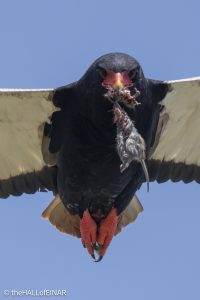 The street performer – a Bateleur Eagle with a rat We spotted a Bateleur Eagle as soon as we arrived in the Masai Mara. It was distant. All I could… read more
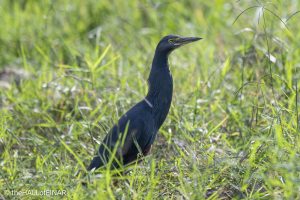 Kenya has many species of Heron Here's a Rufous-Bellied Heron. It's one of the many species of Heron in the wetlands here. It has a beautiful… read more
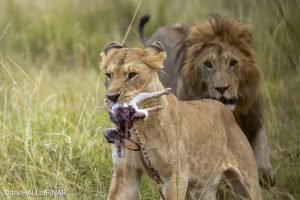 Twin interests This Lioness has clearly caught something cute, furry and with floppy ears. It's already had a good chew at it.… read more
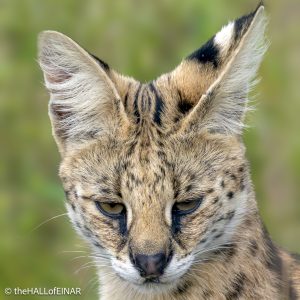 What Johnson said is true. “They are small and the grass is long and the Masai Mara is big” There are two books which started my interest in the natural world. The first was A Treasury of Natural History… read more
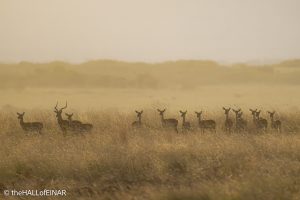 Even-toes Animals with hooves are either odd-toed or even-toed. The odd-toed ones are horses, rhinos and tapirs. The even-toed ones are… read more
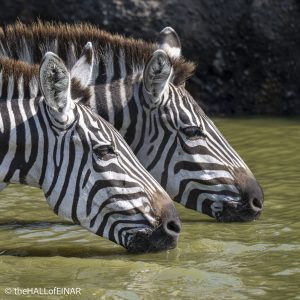 A fluffy young Zebra Seeing Zebras at a watering hole in the Masai Mara is a pleasure. It's dry work munching the parched vegetation… read more
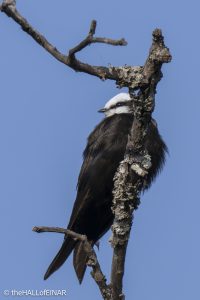 A White-Headed Saw-Wing There's an all-black Swallow-type bird next to our route, as we drive along the dusty compressed-earth tracks of the Masai… read more
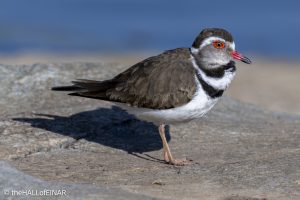 A gorgeous Three-Banded Plover and a Lilac-Breasted Roller We're in a four-wheel-drive vehicle. I think it's an indestructible Toyota Land Cruiser. Gladys is our local Kenyan guide for… read more
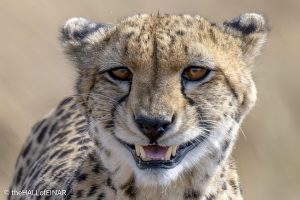 Cheetahs in the Masai Mara Gladys is driving us towards a pair of Cheetahs. "Oh yes! There". We're an excited group of four. A pair… read more
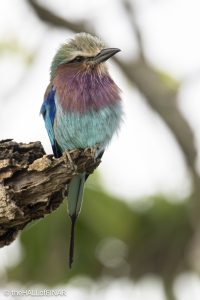 A Lilac-Breasted Roller perched and waiting Lilac-Breasted Rollers are chunky birds. They also have unusually large heads. I particularly like the long tail streamers which the… read more