Mango and matcha with a Black Kite display
It’s lunchtime on our trip to Wamunyu in Kenya and the out-of-town shopping centre is modern and wholesome. There are security checks before we enter, with a scanning arch. I’m not convinced it does anything apart from deter and give some reassurance of safety.
There’s time to get some Kenyan Shillings from the cash machine before it’s time for food. It’s all freshly prepared and delicious, although the mango and matcha drink is the outstanding moment. I need to know how to make this as much as I don’t need to know the calorific value.
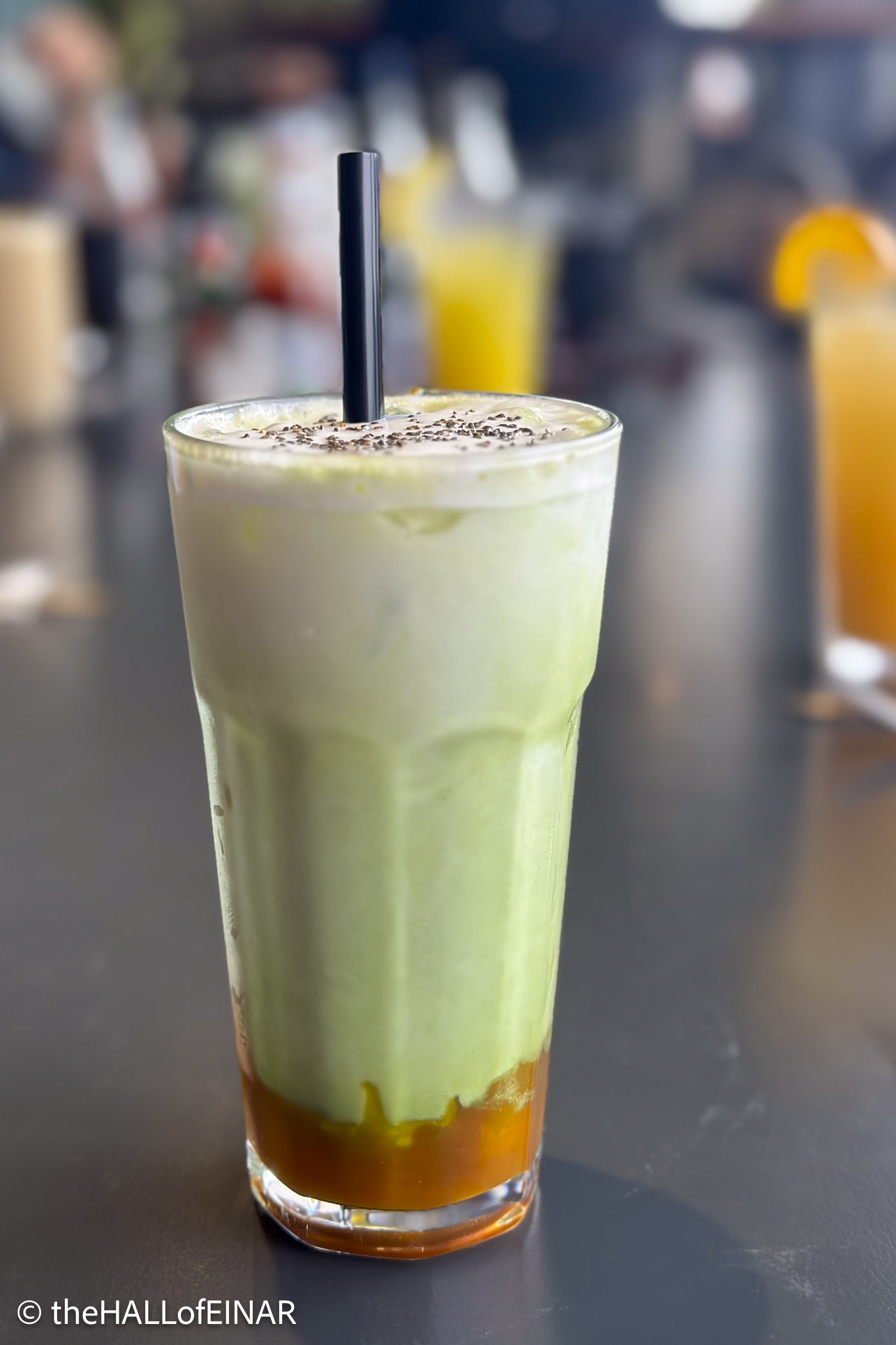
Another volunteer has the same drink, and I can see her mixing in the heavy mango at the bottom with the rest of her drink. I’m not going to do that. I remember an old colleague of mine in the office who I used to make tea for. She had seven spoons of sugar in her tea, but insisted I didn’t stir it, because she didn’t like her tea sweet. She liked the sudden syrup at the bottom at the end of her drink. All these years later, after thinking she was mad or simply perverse, I can finally see her point. Perspective is a wonderful thing.
There are no windows on our dining floor and the weather is warm and overcast. Looking out over the city I can see so many Black Kites flying around the buildings and along the roads that there’s one everywhere I look. They’re marvellous creatures.
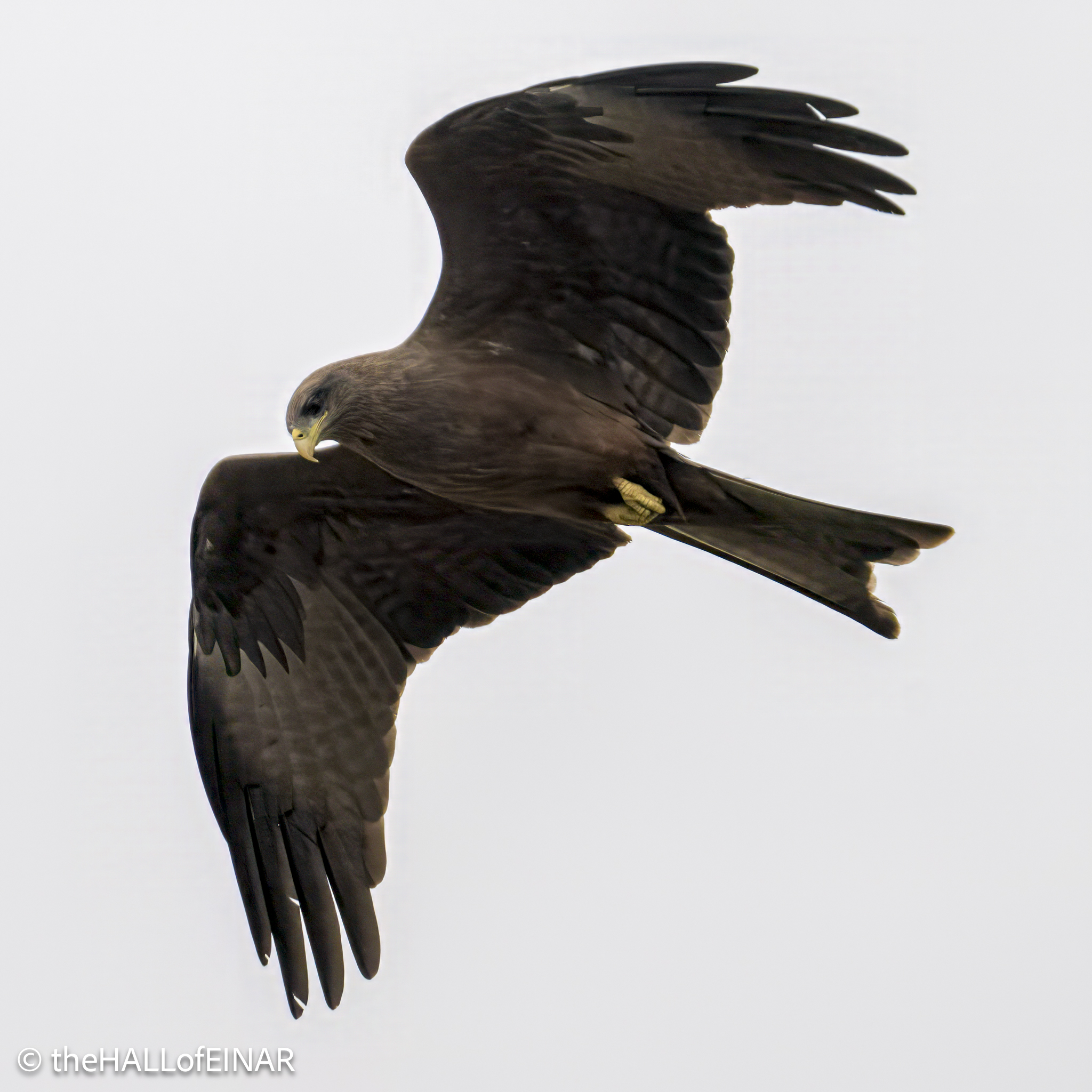
This one has a yellow bill as well as a yellow cere, the fleshy skin at the base of the upper beak which contains the nostrils. That means it must be Milvus migrans parasitus, the Yellow-Billed Black Kite sub-species.
Black Kites are scavengers and inveterate barbecue-sausage-snatchers. I’m glad I’m having salad and that our eating area is covered. Black Kites have been historically known as ‘Shite Hawks’, because they will eat any old… I’m sure there was once a British armed forces bar called The Shy Talk in their honour.
I escape with my salad unscathed.
There’s just time to get a packet of chocolate cookies as an offering to my fellow volunteers on the institution bus and some macadamia nuts. I’m not sharing those.
More adventures in Kenya
 Male African Jacanas raise all the chicks Having so much food available changes the dynamics between the sexes of African Jacanas. They're a rare example of polyandry.… read more
 Johnson and the Ross’s Turaco The Governors' Camp in the Masai Mara has been a wonderful place to stay. Having breakfast with Common Bulbuls eating… read more
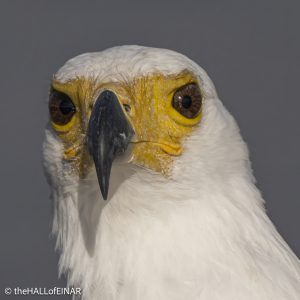 The first bird we see on arrival is an African Fish Eagle We're on our first drive from the camp in Amboseli, on safari in Kenya, when we see the first bird… read more
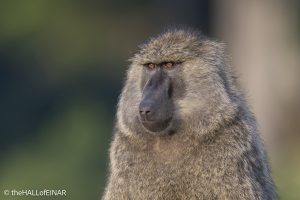 A troop of Anubis Baboons It's my last day in the Masai Mara and my last trip out in a 4x4 here. I'm about to… read more
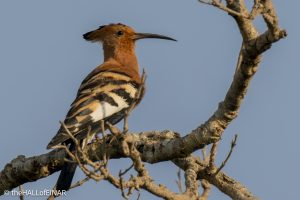 A Common Hoopoe appears I've seen a Common Hoopoe before, in Italy. It's not a bird I'm expecting to see in Kenya, yet there… read more
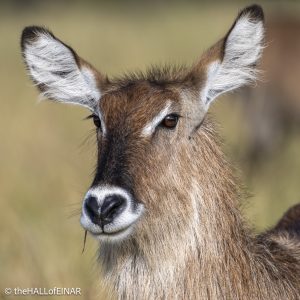 Old hairy-ears, the Waterbuck We've happened up on a small group of Waterbuck, Kobus ellipsiprymnus, here in the Masai Mara. They are large grassland… read more
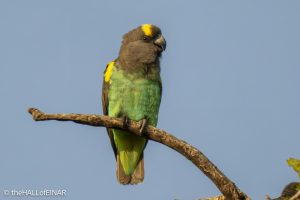 Spotting a Brown Parrot There's a Brown Parrot, Poicephalus meyeri saturatus, at the top of the tree. They always look such friendly birds, as… read more
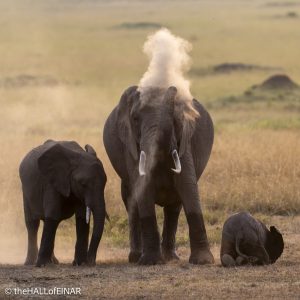 Why Elephants love a dust bath Elephants love a dust bath. I'm sorry, but please don't scroll past the photograph above without giving that baby Elephant… read more
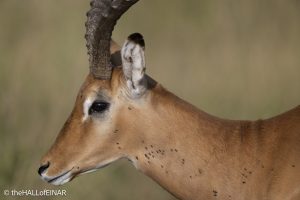 Lyre-shaped horns The Impala is an African Antelope with lyre-shaped horns. The slight problem I have is that I'm so close to… read more
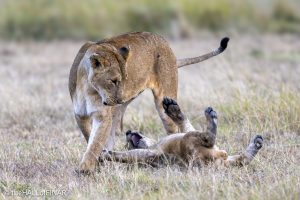 Lion cub playing Here in the Masai Mara, the Lioness is playing with one of her cubs. She's very patient and forgiving at… read more
 The marvellous Green Woodhoopoe My safari guide Johnson has spotted the nest of a Green Woodhoopoe in a hole in a tree. I love… read more
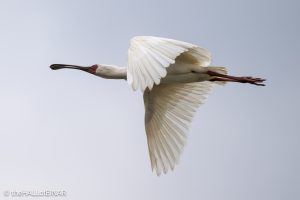 An African Spoonbill I've seen Spoonbills in Somerset and in Italy but they were the Eurasian Spoonbill, Platalea leucorodia. I'm in Kenya now… read more