African Woolly-Necked Storks at the lake
It’s the evening after a busy day volunteering in Kenyan schools for Kenya Connect. We have dinner together at Muthoki Country Lodge to look forward to, but first it’s time to get my camera out and explore the 40 acres of grounds here in the hour or so before the sun goes directly down.
Here’s our dining room, where a delicious dinner and perhaps a cold bottle of Kenyan Tusker lager awaits me.
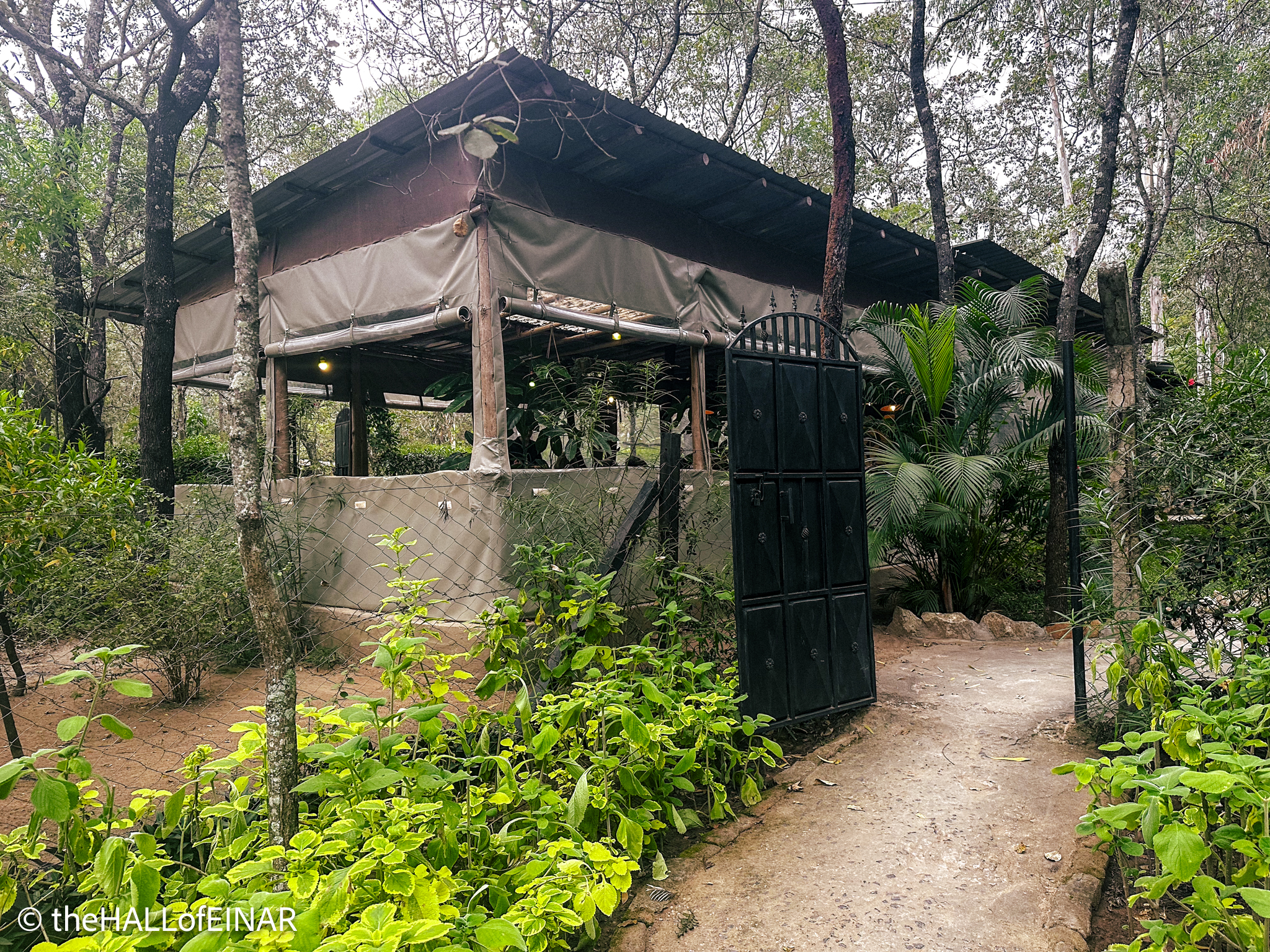
First, though, an expedition into the woods and down to the fancy-frog lake is in order.
As I approach I see two huge birds down by the shore. I’ve never seen the species before. They immediately look like a species of Crane or Stork and are the size of Grey Herons. They’re thick-set and big built, so I think they are probably Storks.
The light is terrible, as the sun is behind them, and I can’t see what colour they are or any of their distinguishing features. They also know that I’m here, even though I’m very far away and using a long lens. I know they will fly if I get any closer. I take a quick ‘record shot’ so I can have some sort of record of what they are like.
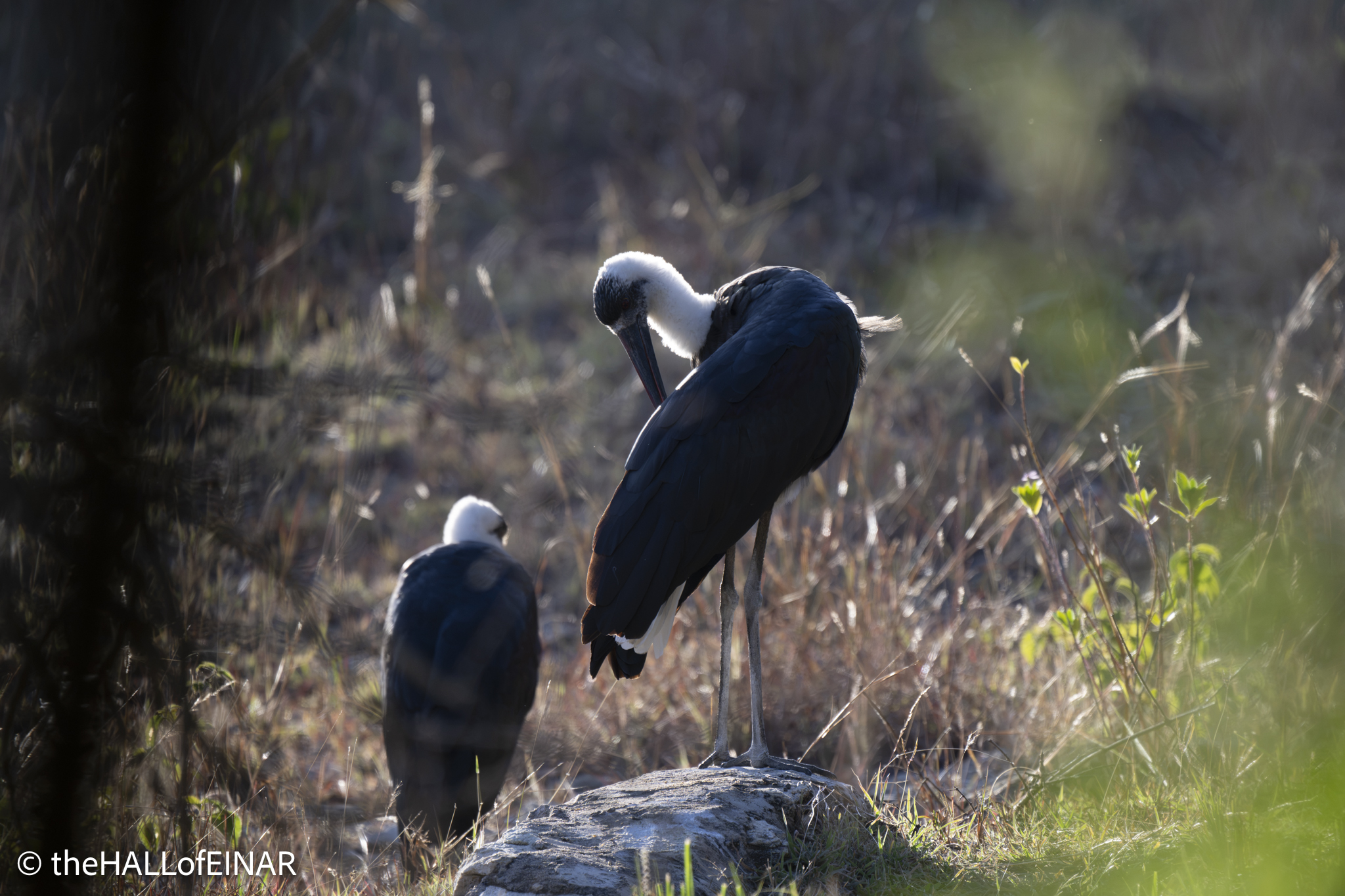
Now I need to get to the opposite side of them, so they are in beautiful light, without disturbing them. I set off at 90 degrees to them, heading away in a huge semicircle. I need to make sure that I am never any closer to them than I was originally. I lose sight of them completely, as they are hidden behind the trees and bushes. Eventually I make it to what I think is a safe place to attempt to see them again, this time with the sun over my back.
And there they are.
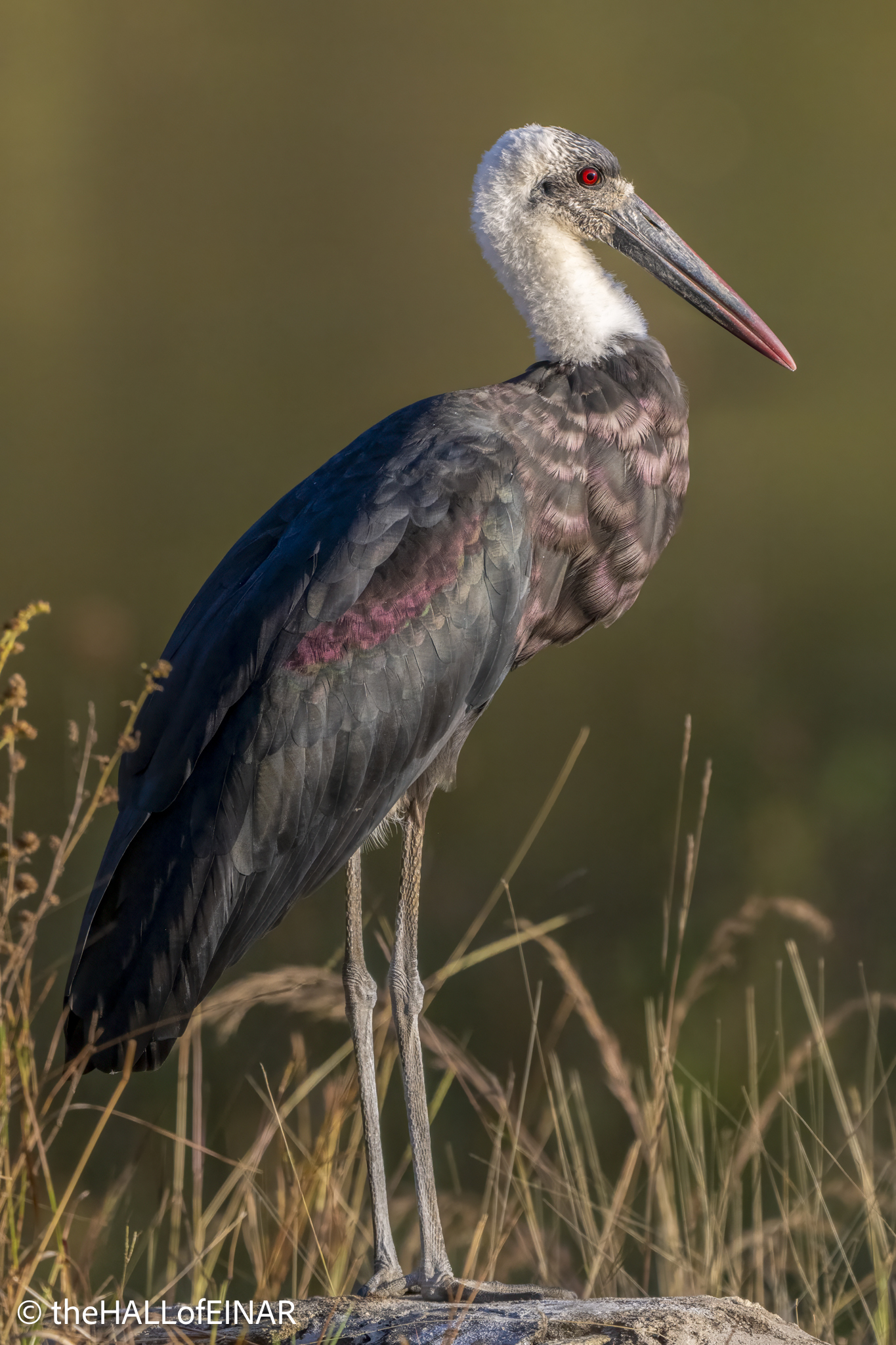
Intense red eyes, strange sheep-wool-like necks, long powerful bills and the most beautiful grey plumage with iridescent pink and purple fringes, all set off by thick scaly legs. What incredible birds. I can’t wait to find out what they are.
Back at my tent I’m getting washed and dressed for dinner while simultaneously trying to identify them.
They are African Woolly-Necked Storks, Ciconia microscelis. They eat frogs, reptiles and insects. No wonder the frogs are quiet just now.
It’s time for dinner and a Tusker, then bed.
It’s then that the frogs begin to croak.
More adventures in Kenya
 The Rhino’s Guard – the Red-Billed Oxpecker The Red-Billed Oxpecker's scientific name is Buphagus erythrorynchus. Bu means Ox, phagus means eat, erythro means red and rhynchus means… read more
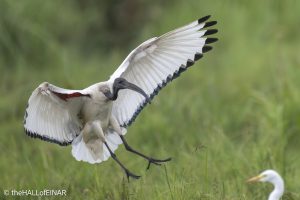 Naked armpits I've seen Sacred Ibis before. They're beautiful and fascinating. This one has something I've never seen before, though. As it… read more
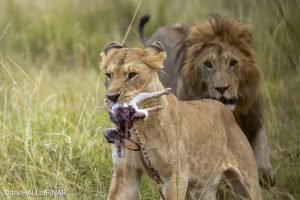 Twin interests This Lioness has clearly caught something cute, furry and with floppy ears. It's already had a good chew at it.… read more
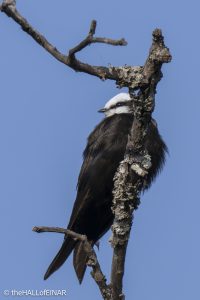 A White-Headed Saw-Wing There's an all-black Swallow-type bird next to our route, as we drive along the dusty compressed-earth tracks of the Masai… read more
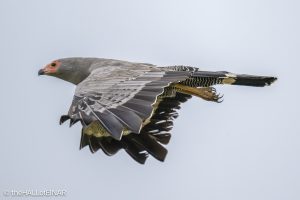 The double-jointed ankles of the African Harrier Hawk It's the tiny head which first strikes me; and then the bare face with the orange skin. It's an African… read more
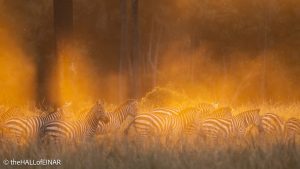 Zebras at sunset and a vision of heaven My guide, Johnson, here at Governors' Camp in the Masai Mara, has been brilliant. He's responded to my every wish,… read more
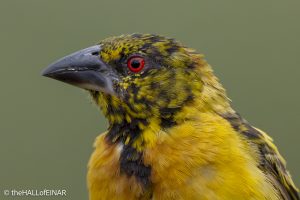 The Village Weaver As we head back to camp, I can see birds bathing in the pools of water left by the ruts… read more
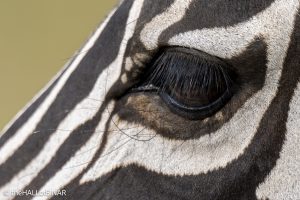 Go on, bat those eyelashes at me I love how playful and how brown and fluffy the young Zebras are here in the Masai Mara. They're still… read more
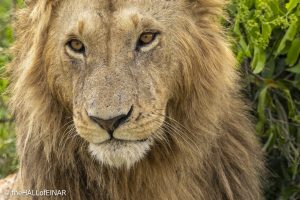 Lion’s mane Isn't this big male Lion's mane fabulous? Lionesses prefer male Lions which have a dark bushy main. It's a sign… read more
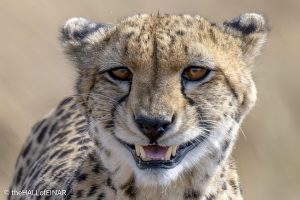 Cheetahs in the Masai Mara Gladys is driving us towards a pair of Cheetahs. "Oh yes! There". We're an excited group of four. A pair… read more
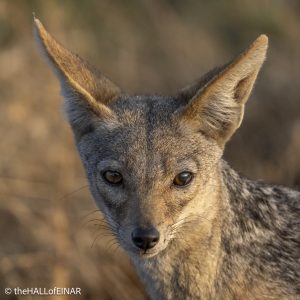 Black-Backed Jackals Those cunning tricksters, the Black-Backed Jackals are back. Their ears are so pointy, and so are their noses. What a… read more
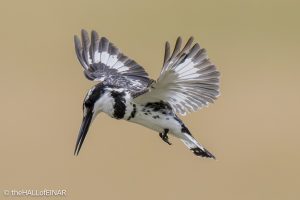 Pied Kingfisher This is my first view of a Pied Kingfisher. They are massive compared with the Common Kingfishers we see in… read more