African Woolly-Necked Storks at the lake
It’s the evening after a busy day volunteering in Kenyan schools for Kenya Connect. We have dinner together at Muthoki Country Lodge to look forward to, but first it’s time to get my camera out and explore the 40 acres of grounds here in the hour or so before the sun goes directly down.
Here’s our dining room, where a delicious dinner and perhaps a cold bottle of Kenyan Tusker lager awaits me.
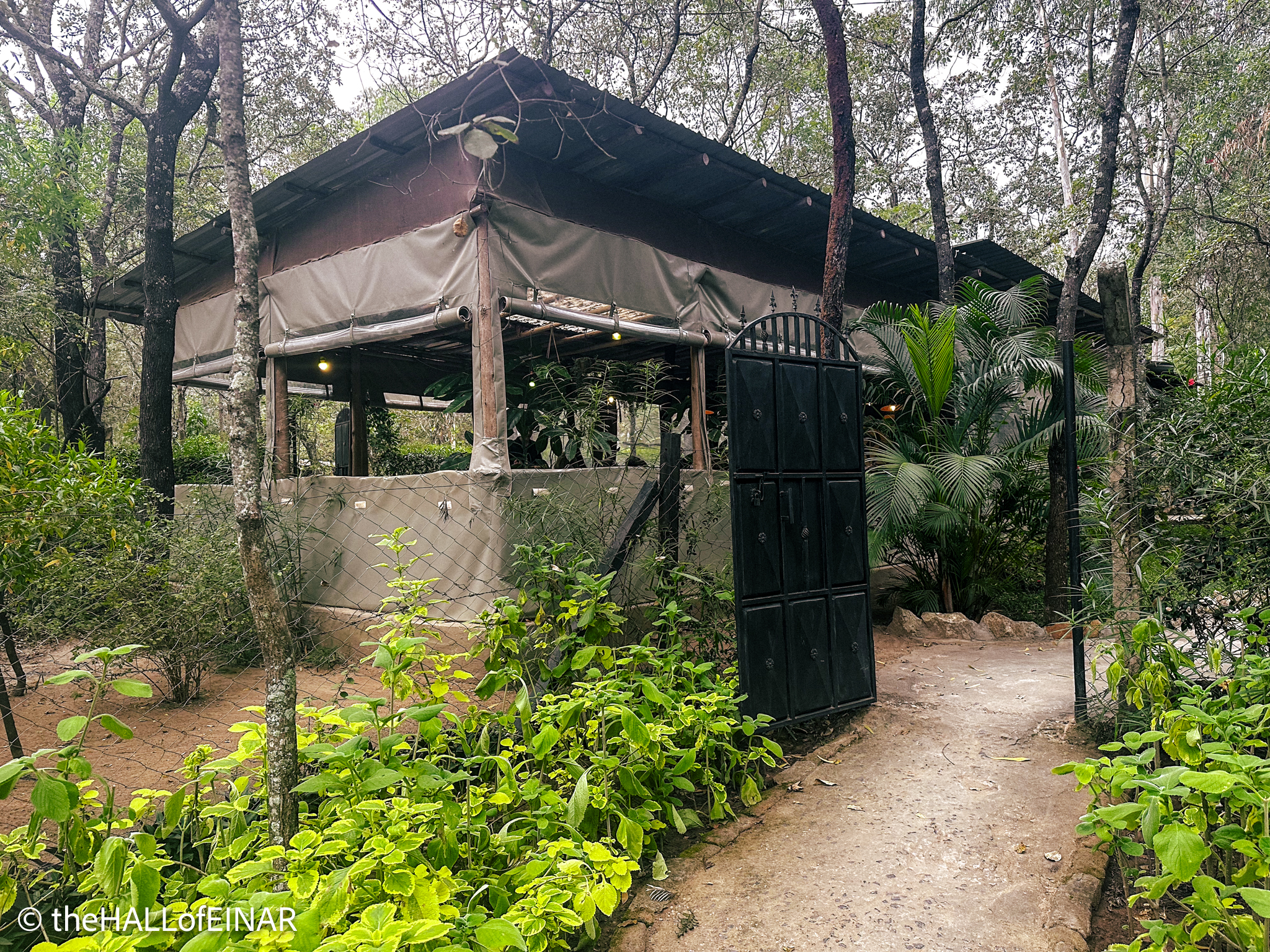
First, though, an expedition into the woods and down to the fancy-frog lake is in order.
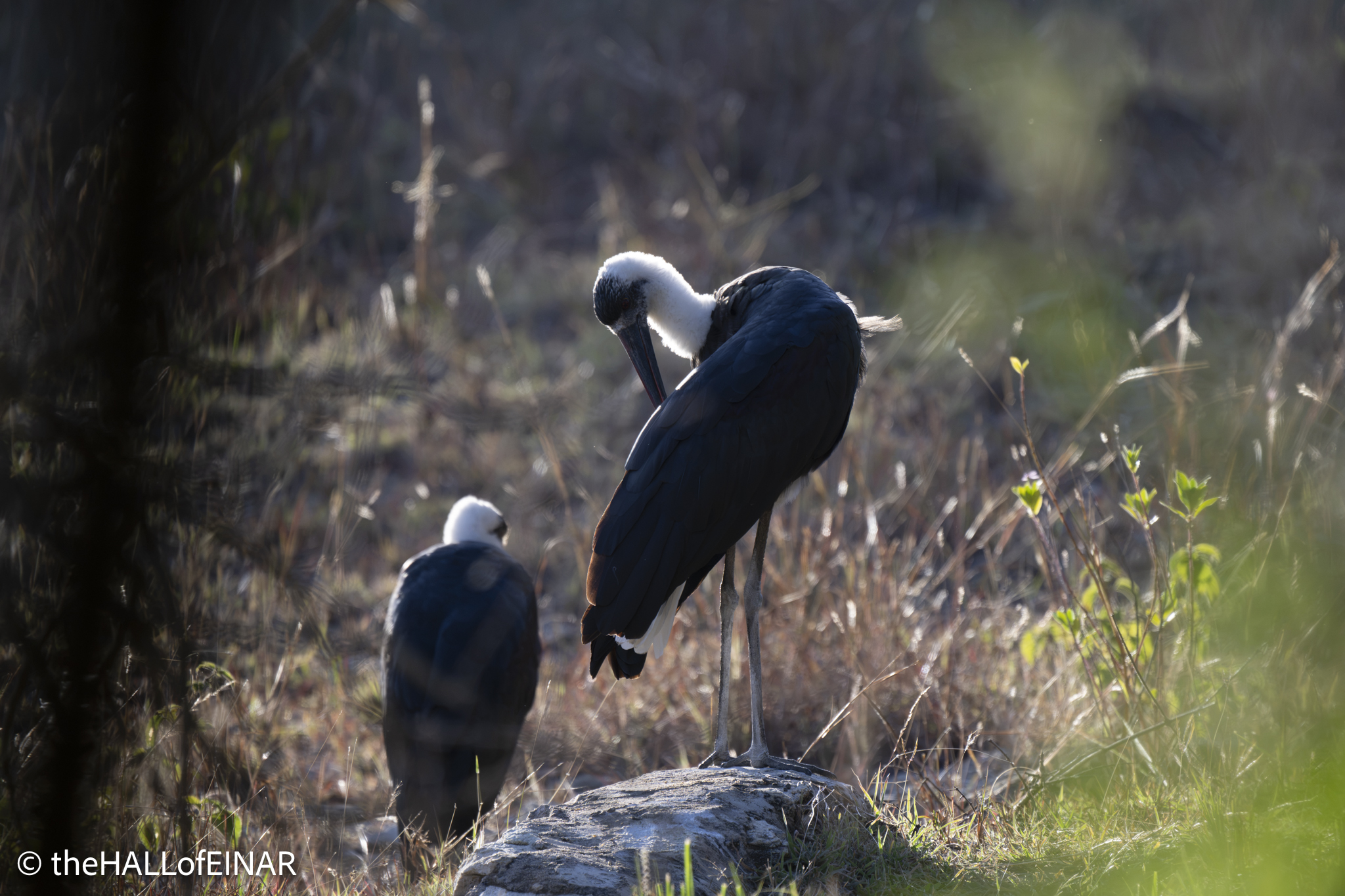
As I approach I see two huge birds down by the shore. I’ve never seen the species before. They immediately look like a species of Crane or Stork and are the size of Grey Herons. They’re thick-set and big built, so I think they are probably Storks.
The light is terrible, as the sun is behind them, and I can’t see what colour they are or any of their distinguishing features. They also know that I’m here, even though I’m very far away and using a long lens. I know they will fly if I get any closer. I take a quick ‘record shot’ so I can have some sort of record of what they are like.
Now I need to get to the opposite side of them, so they are in beautiful light, without disturbing them. I set off at 90 degrees to them, heading away in a huge semicircle. I need to make sure that I am never any closer to them than I was originally. I lose sight of them completely, as they are hidden behind the trees and bushes. Eventually I make it to what I think is a safe place to attempt to see them again, this time with the sun over my back.
And there they are.
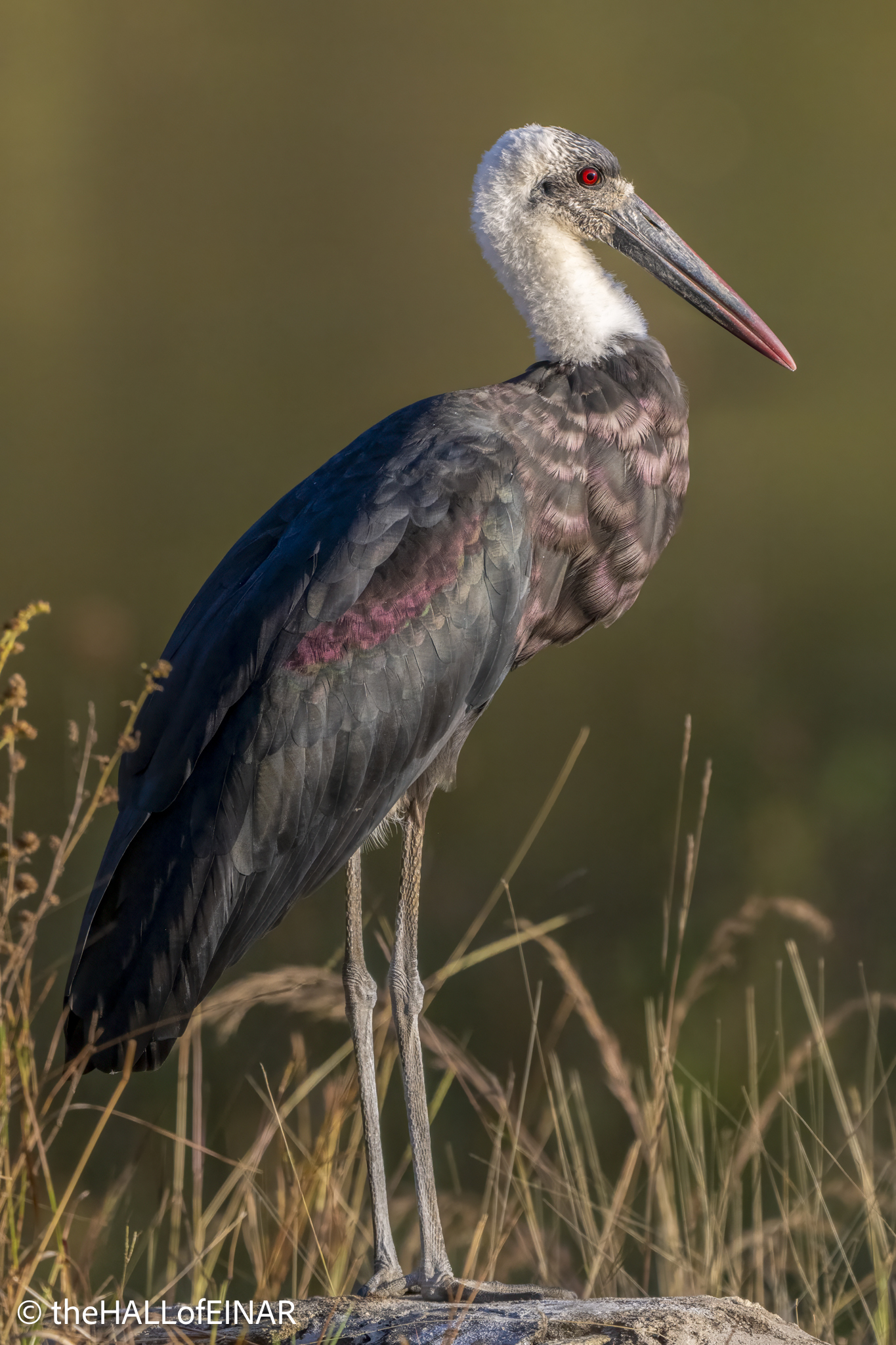
Intense red eyes, strange sheep-wool-like necks, long powerful bills and the most beautiful grey plumage with iridescent pink and purple fringes, all set off by thick scaly legs. What incredible birds. I can’t wait to find out what they are.
Back at my tent I’m getting washed and dressed for dinner while simultaneously trying to identify them.
They are African Woolly-Necked Storks, Ciconia microscelis. They eat frogs, reptiles and insects. No wonder the frogs are quiet just now.
It’s time for dinner and a Tusker, then bed.
It’s then that the frogs begin to croak.
More adventures in Kenya
 Lion’s mane Isn't this big male Lion's mane fabulous? Lionesses prefer male Lions which have a dark bushy main. It's a sign… read more
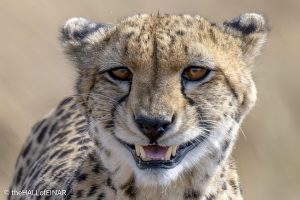 Cheetahs in the Masai Mara Gladys is driving us towards a pair of Cheetahs. "Oh yes! There". We're an excited group of four. A pair… read more
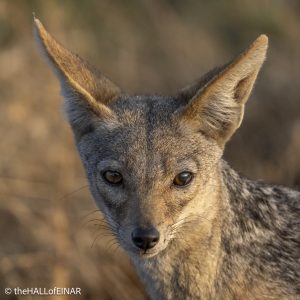 Black-Backed Jackals Those cunning tricksters, the Black-Backed Jackals are back. Their ears are so pointy, and so are their noses. What a… read more
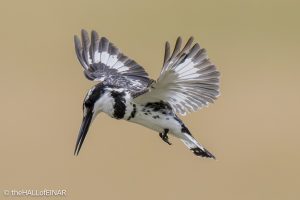 Pied Kingfisher This is my first view of a Pied Kingfisher. They are massive compared with the Common Kingfishers we see in… read more
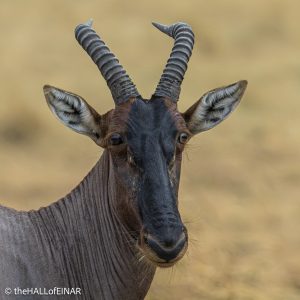 Topi There's a fast antelope called a Topi here. They often like to stand on hillocks, looking like sentinels. The only… read more
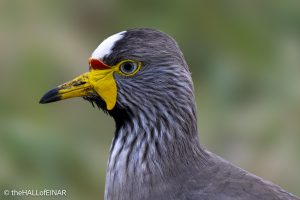 African Wattled Plover No sweat. That's the problem with being a bird. Humans have sweat gland which act to produce water which cools… read more
 Plunge pools, Superb Starlings and sundowners Here at Mara Ngenche Safari Camp the luxury is embarrassing. A beautiful two-room tent with outside shower and private plunge… read more
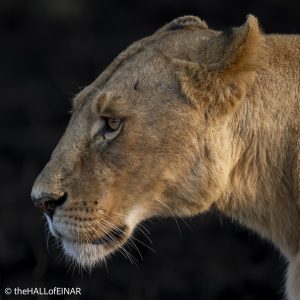 Close to Lionesses I've already had the experience of a male Lion getting uncomfortably close to me on this safari. This time it's… read more
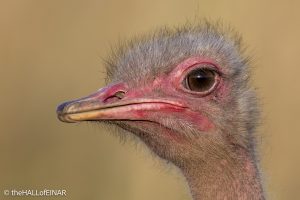 Common Ostrich In the distance, through the heat-haze, from a moving vehicle, wearing dirty glasses, the first thing I think is that… read more
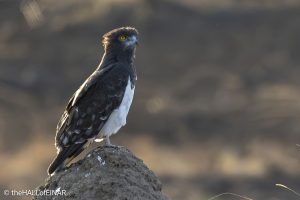 A day of Giraffes, Drongos, Sacred Ibis, Coucals and Snake-Eagles Masai Giraffes are tall. There are four species of Giraffe and this one is native to the Masai Mara. I… read more
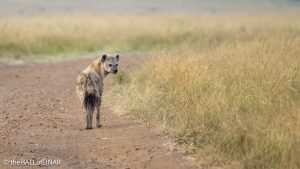 Spotted Hyenas It's my first view of Spotted Hyenas. What strange animals. They have such short back legs and long front legs.… read more
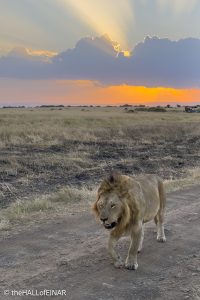 A Lion so close I could pet it There's a Lion in the Masai Mara and we're on safari to see it. Four of us are in an… read more