Tytan the baby Black Rhino
I’m in Kenya volunteering on a literacy programme with a charity called Kenya Connect. We’re on our way from Nairobi, heading east to our base for the week in Wamunyu, when we stop off at the Sheldrick Wildlife Trust. They’re one of the oldest conservation organisations here, with a 49 year history of rescuing and reintroducing Kenyan wildlife. They open for an hour a day and we have tickets for us all.
There’s a palpable sense of excitement as the keepers lead two very young animals down to be fed.
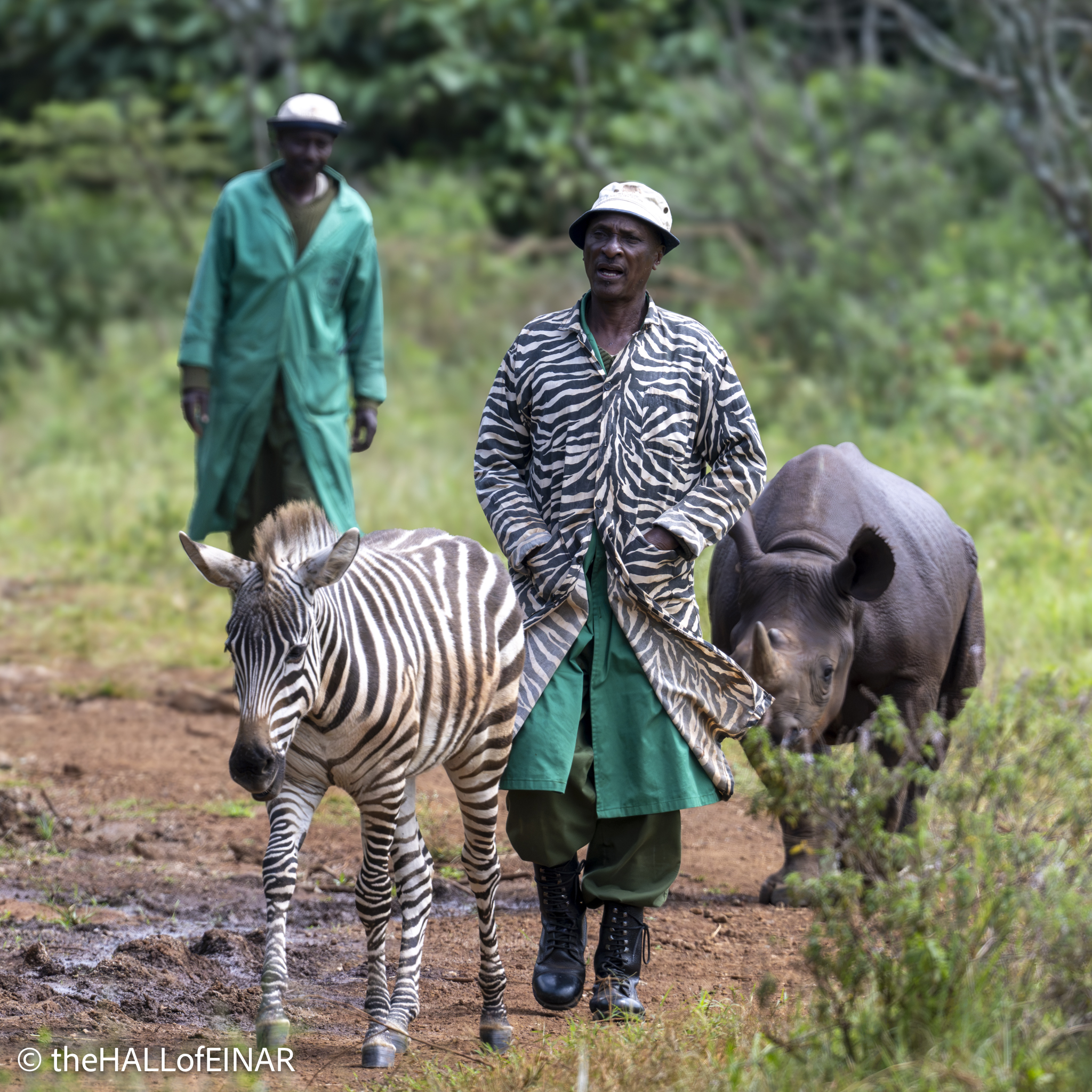
They have a 17-month-old Black Rhino called Tytan and his best friend, a Zebra called Notty.
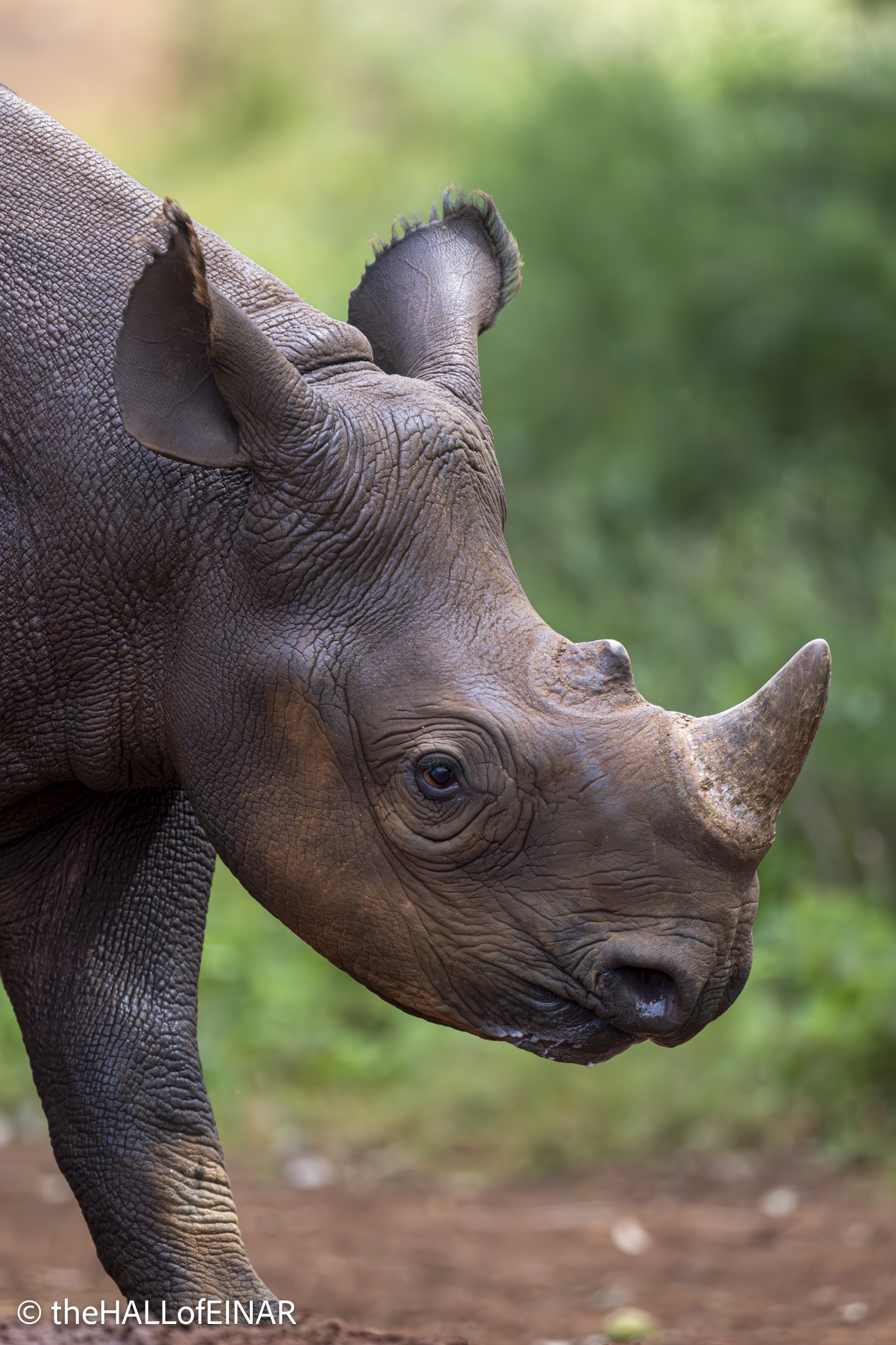
Here’s Tytan:
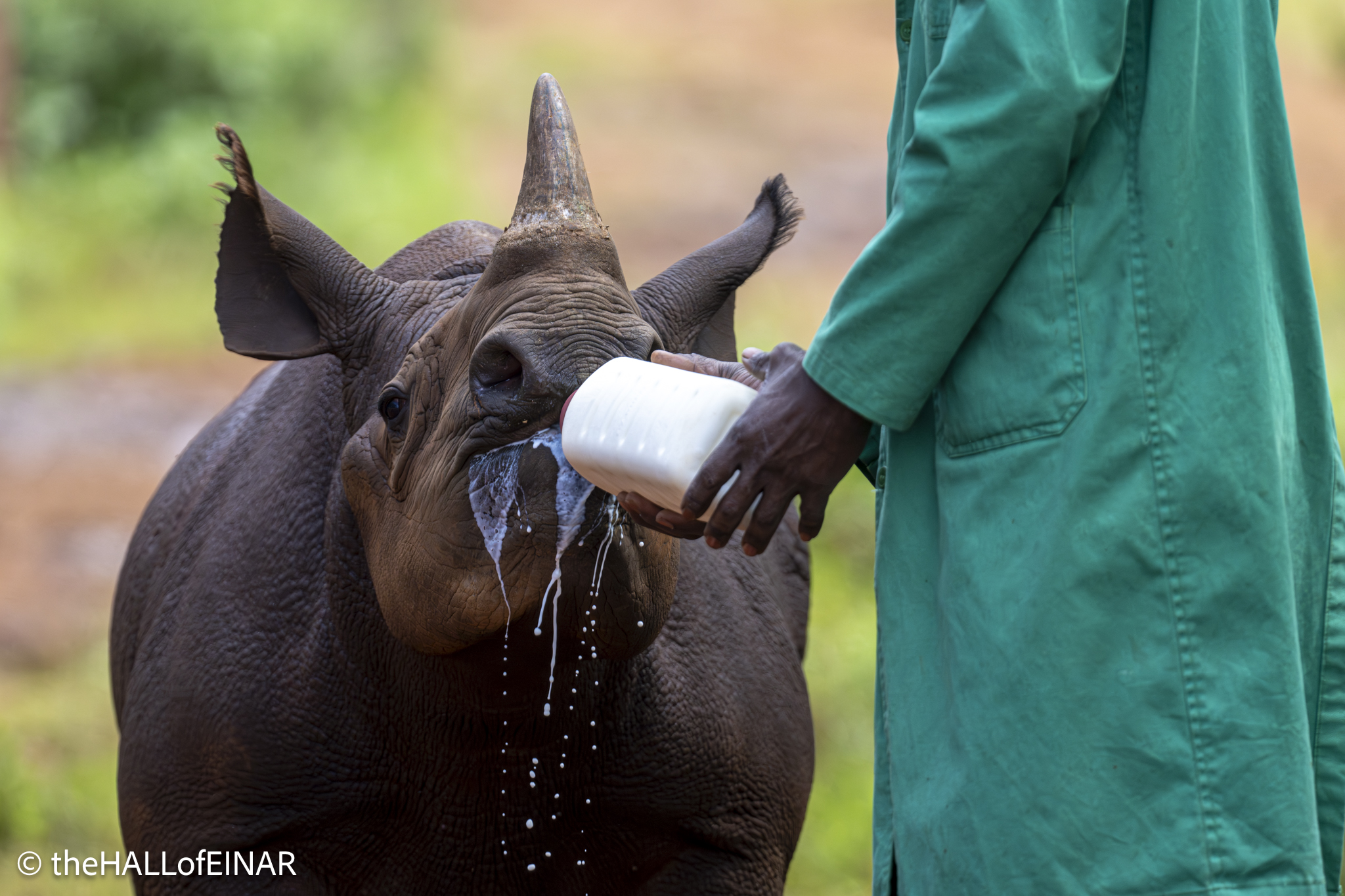
And here he is being fed:
Tytan’s story:
On September 7, 2025, the rangers in Borana Conservancy found Mumu, a resident female black rhino, dead at the bottom of a cliff. She had fallen while being pursued by a male rhino trying to mate with her. She left behind a seven-month-old calf, who had followed her down the cliff. He was found beside her body. Knowing he was in danger from predators, the rangers needed to rescue him urgently, but he vanished into rugged terrain. After a two-day search using drones, aircraft, and a helicopter, he was spotted on a camera trap, darted, and flown to Nairobi. He was named Tytan and taken to the Sheldrick Wildlife Trust’s Nairobi Nursery, arriving with a limp caused by his perilous descent down the cliff.
Tytan was wild and defensive at first, but gradually settled under the care of his keepers. A week later, he bonded with Notty, an orphaned Zebra with a strikingly similar backstory. Notty’s mother also died falling from a cliff. The two have become inseparable, sharing meals, browsing, and taking mud baths together.
Tytan’s leg injury has healed naturally, and he has grown into a gentle, affectionate rhino. The numbers of black rhinos in Kenya collapsed by 98% between 1970 and 1983 to just 350 individuals, before recovering to over a thousand today. Conservation efforts, and the rescuing of orphans are a vital way to protect the species. Tytan, the calf who overcame tragedy and isolation, is now being raised with the aim of an eventual return to the wild population of Black Rhino in Nairobi National Park.
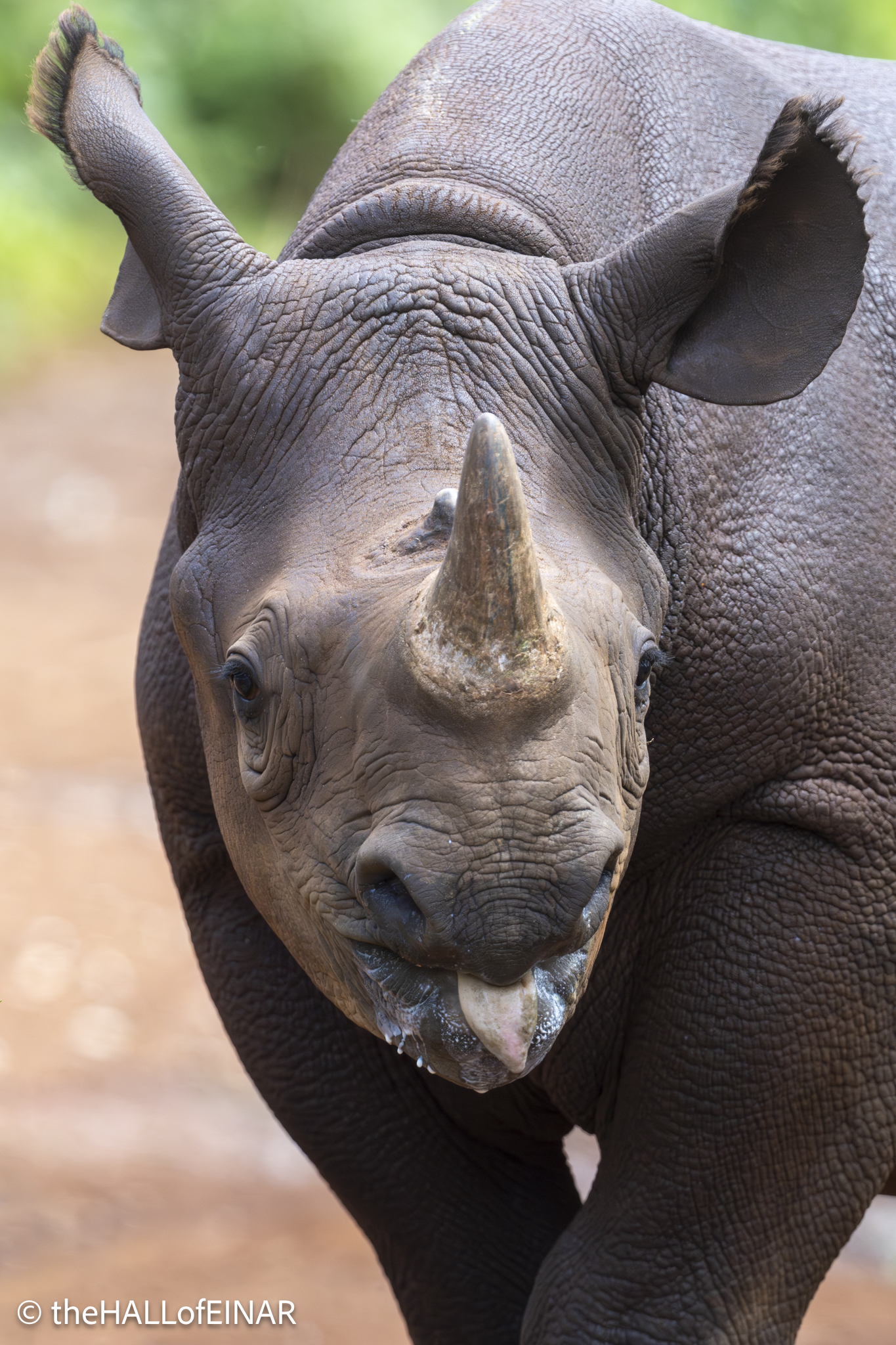
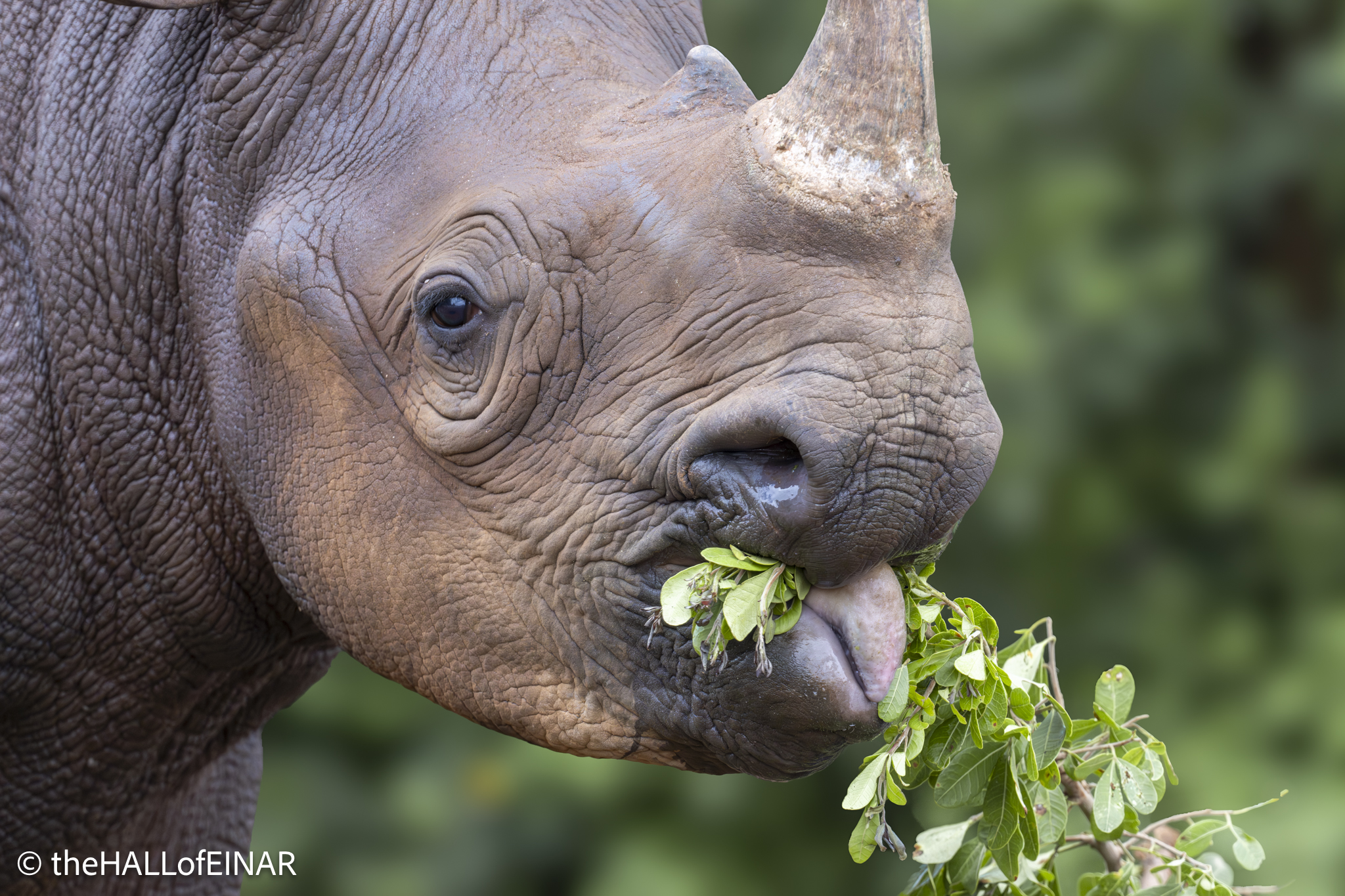
Those lips and that tongue are something else!
Here’s Tytan enjoying browsing some leaves after his milk:
Tytan and Notty together:
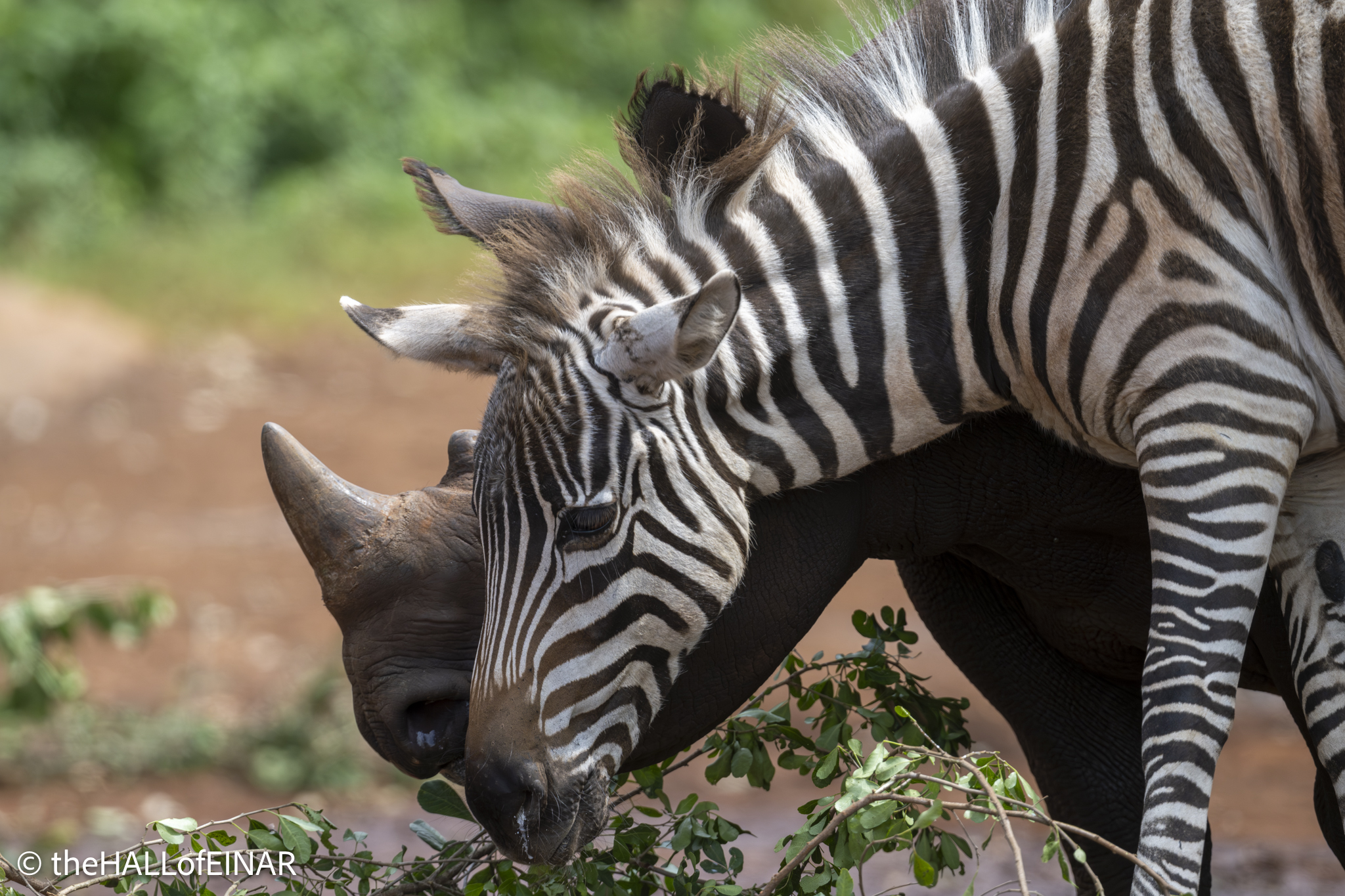
It’s fascinating that they receive comfort from each other, given the death of their mothers.
The Sheldrick Wildlife Trust rescues, rehabilitates, and eventually reintegrates orphaned elephants and rhinos back into the wild. They have branches in the US, UK, Canada, and Kenya. They only open for an hour a day and have a high success rate in returning animals to wild lives. They are viewed as one of the most respected and ethical attractions in Kenya where Elephants can be seen.
Next they’re going to see if some Elephants want to come and use the specially-created watering hole for a bath. It could get messy!
More adventures in Kenya
 Is this Hornbill small or is that caterpillar huge? There's an African Grey Hornbill flying past our 4x4 in the Masai Mara. It's come from behind and is flying… read more
 Kenya has many species of Heron Here's a Rufous-Bellied Heron. It's one of the many species of Heron in the wetlands here. It has a beautiful… read more
 African Green Pigeon There's an African green pigeon, Treron calvus, at the top of this tree. I can hardly believe its colour. What a… read more
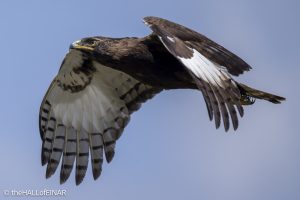 The Long-Crested Eagle awaits us I'm glad that I've learned never to turn my camera off or to put my lens hood on until I'm… read more
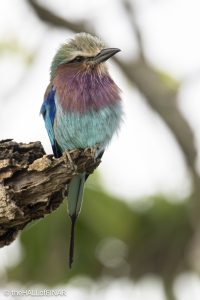 A Lilac-Breasted Roller perched and waiting Lilac-Breasted Rollers are chunky birds. They also have unusually large heads. I particularly like the long tail streamers which the… read more
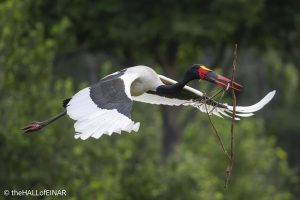 A Saddle-Billed Stork and its dangling wattles The Saddle-Billed Stork or Saddlebill, Ephippiorhynchus senegalensis, is a truly huge bird. It's 4' 9" to 4' 11" tall. That's taller than my… read more
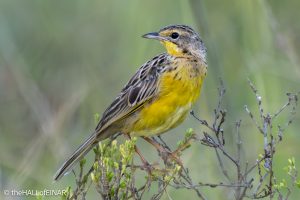 A Yellow-Throated Longclaw There are many yellow birds here in Kenya. It's a brighter world. Red, orange and yellow pigments are ones which… read more
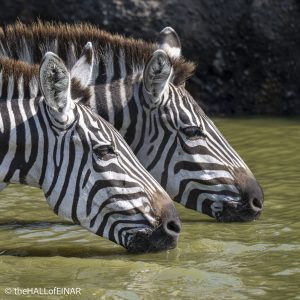 A fluffy young Zebra Seeing Zebras at a watering hole in the Masai Mara is a pleasure. It's dry work munching the parched vegetation… read more
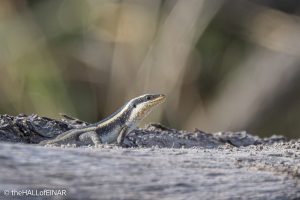 A Striped Skink I expected to see many more reptiles in Africa. I thought there would be snakes and reptiles with four legs… read more
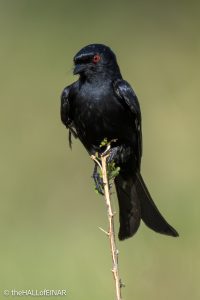 Common Drongos Today's another chance for me to appreciate Common Drongos. They have distinctive forked tails and intense red eyes set in… read more
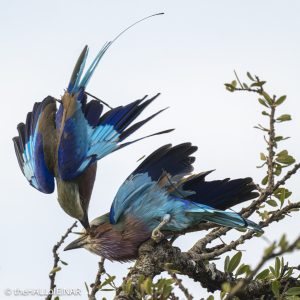 Lilac-Breasted Roller attack Sometimes there's such an extraordinary moment and it seems impossible that you could have captured it. There's a dispute between… read more
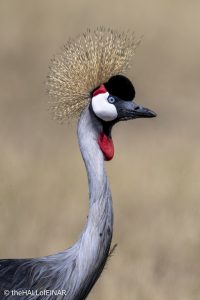 Grey Crowned Crane It's one metre tall and has a two metre wingspan. It has a ridiculous crown. It has an inflatable red… read more