The fascination of Anubis Baboons
Being a Baboon seems like quite a fun lifestyle. At least if you’re a male. There’s a nursing female carrying an infant in the corner. That seems less appealing. But then, I am a man.
This male is having the time of his life. Enough food. Other Baboons to perform lookout duties. The warmth of the sun. Surrounded by a troop of females. Perfect.
Anubis Baboons, also known as Olive Baboons, have complex social structures, multiple calls and other vocalisations, and clear signalling through facial expression. They do eyebrow raising, molar grinding, staring, and yawning to threaten other baboons. Sounds like some of the people I meet in The Swan in Newton Abbot when I watch the football.
Their pale pink eyelids on their black face, surrounded by all that olive-green fur are very distinctive.
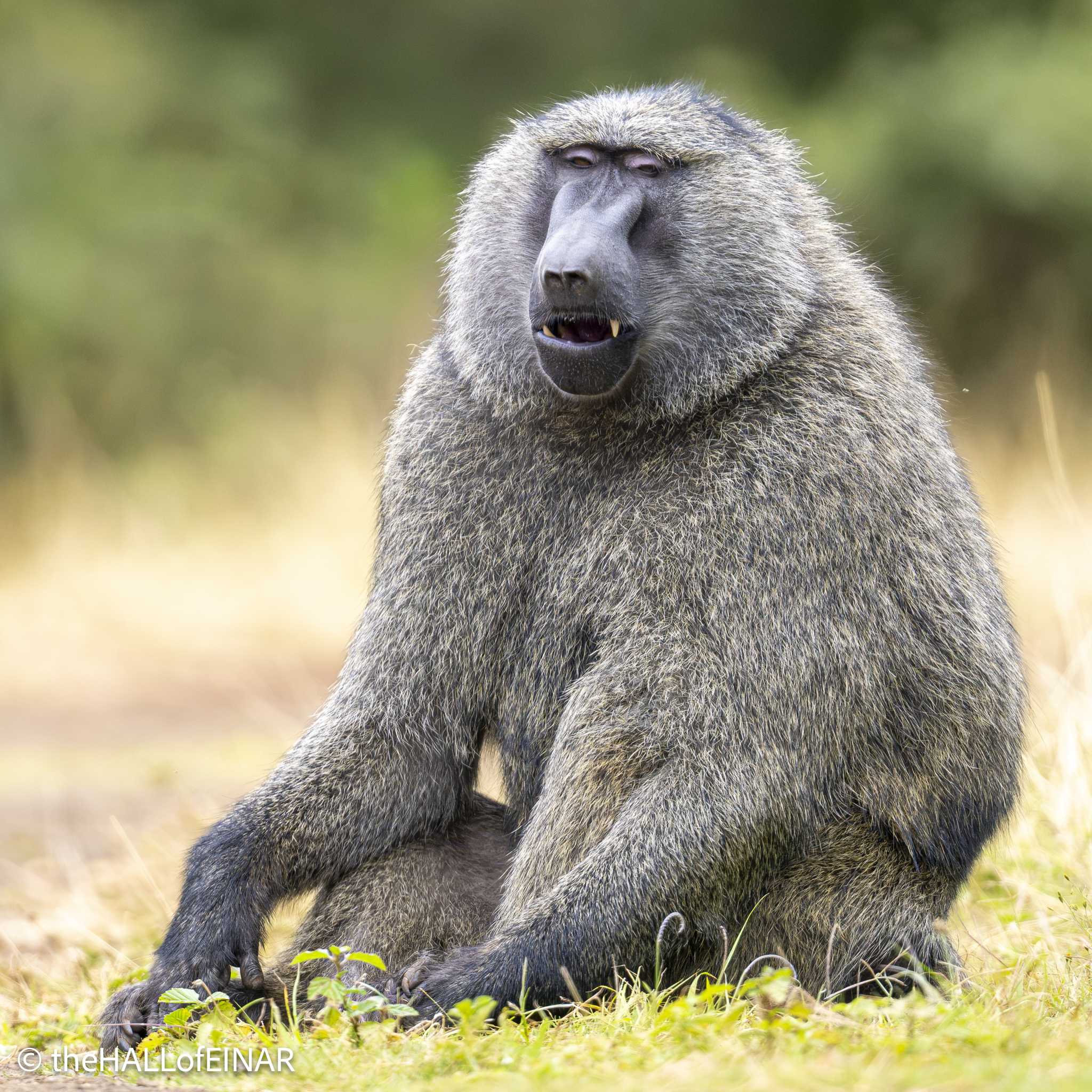
He gives a mighty yawn, or is it a threat display? Maybe both.
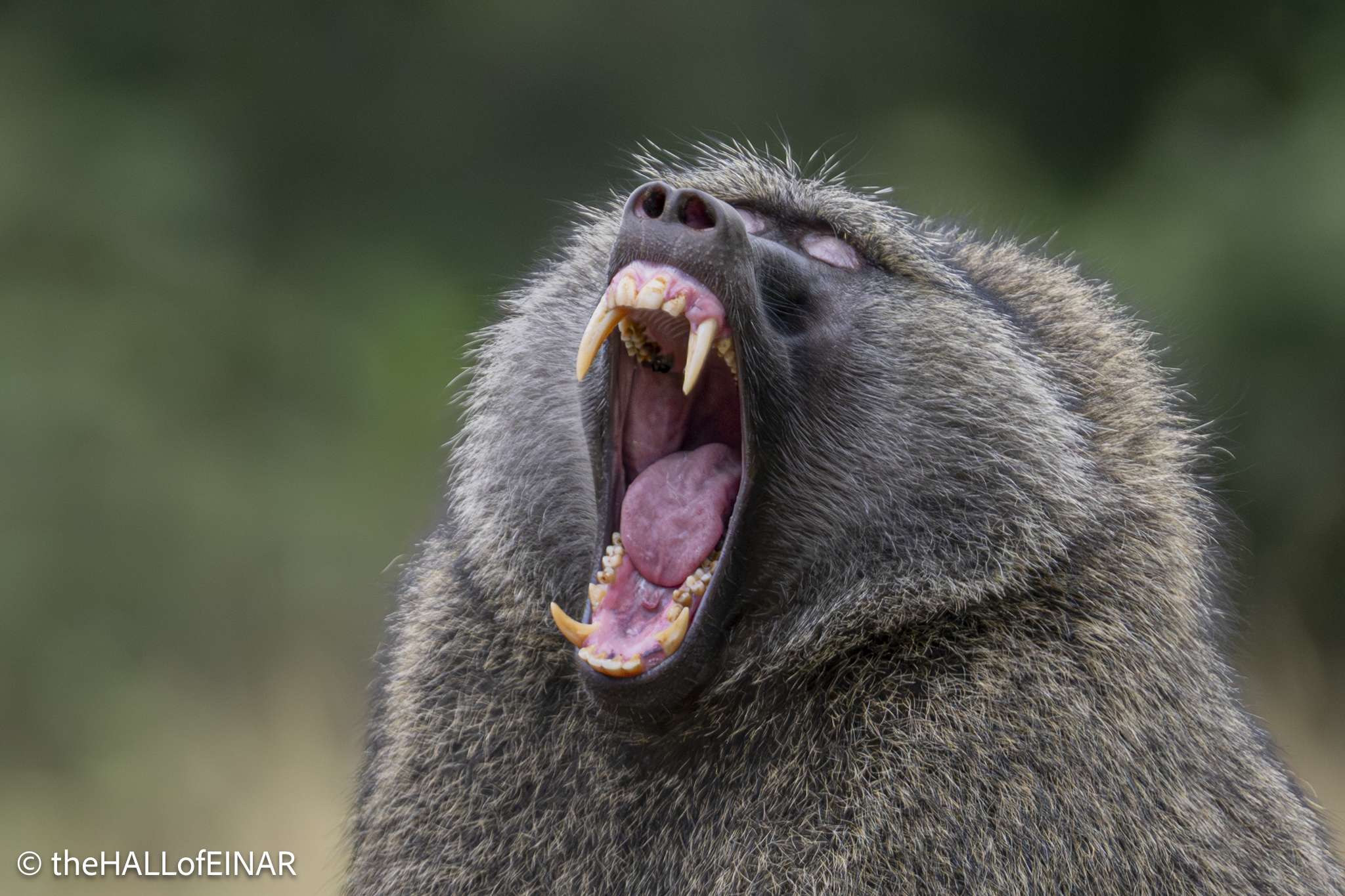
Males are much larger than females, have larger canines and a large mane.
New males joining a troop often make friends with females and form strong non-sexual alliances. She gets protection; he gets acceptance. She gets a baby-sitter so she can forage and feed; he gets someone who will groom him and travel and feed with him. She gets a male friend who will chase off other unwanted male suitors; he gets the chance of a possible future sexual partner. Plus a male carrying a female’s baby is less likely to be attacked by another male. Seems like win-win to me.
It’s fascinating that the rules of relationships, competition and combat in animals are based upon exactly the same evolution of decision-making which governs human morality.
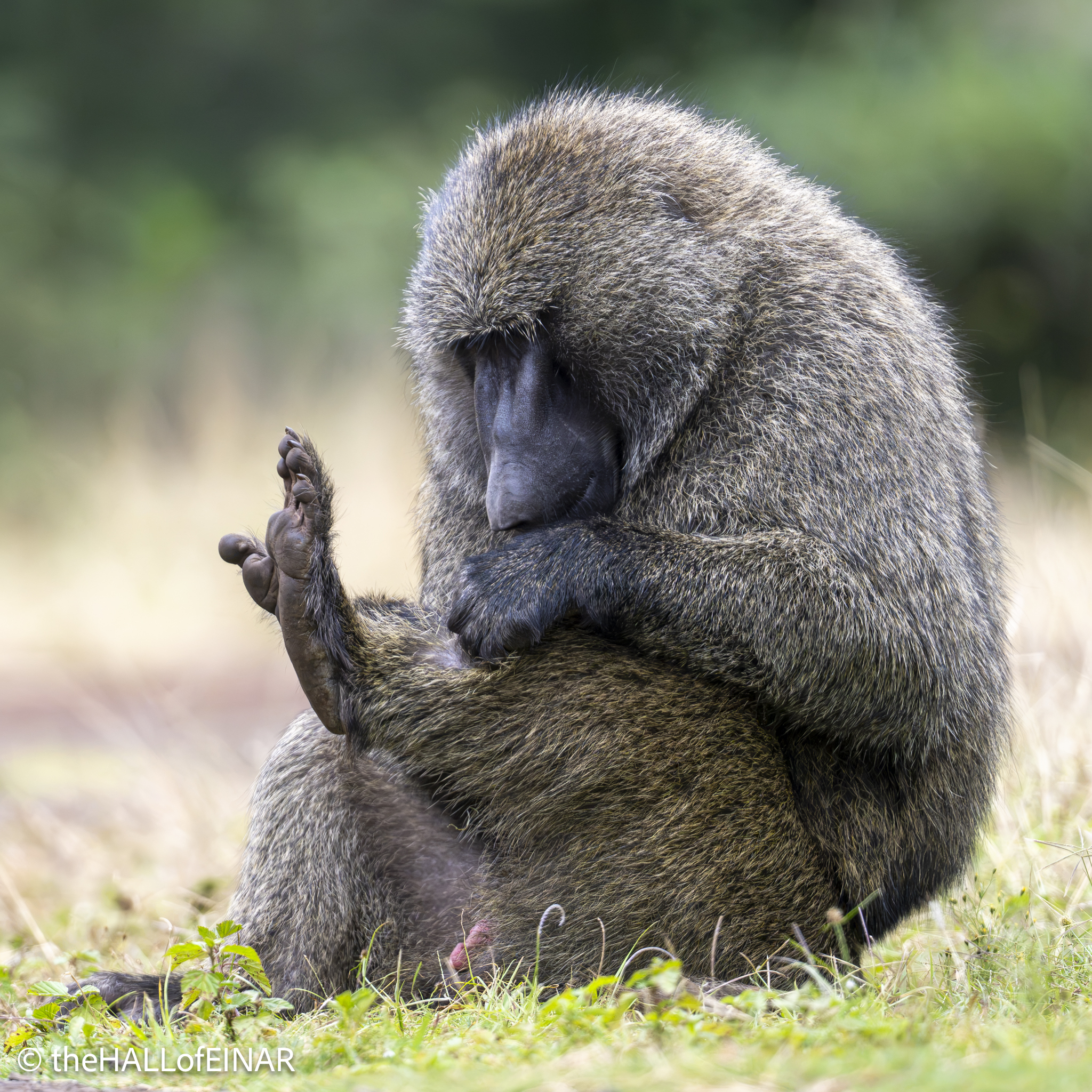
This male’s having to groom himself, though.
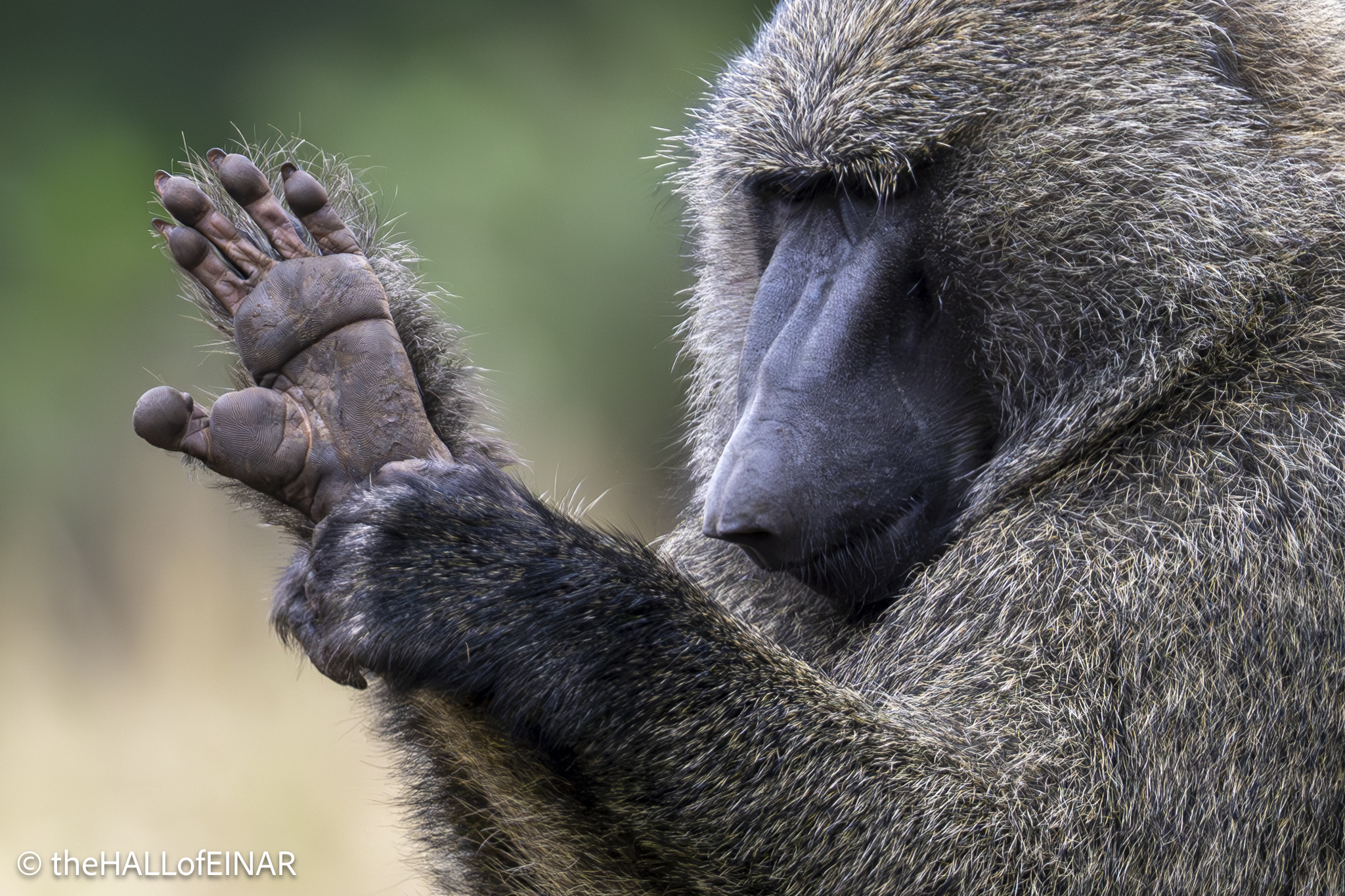
Which is clearly a tiring thing to have to do.
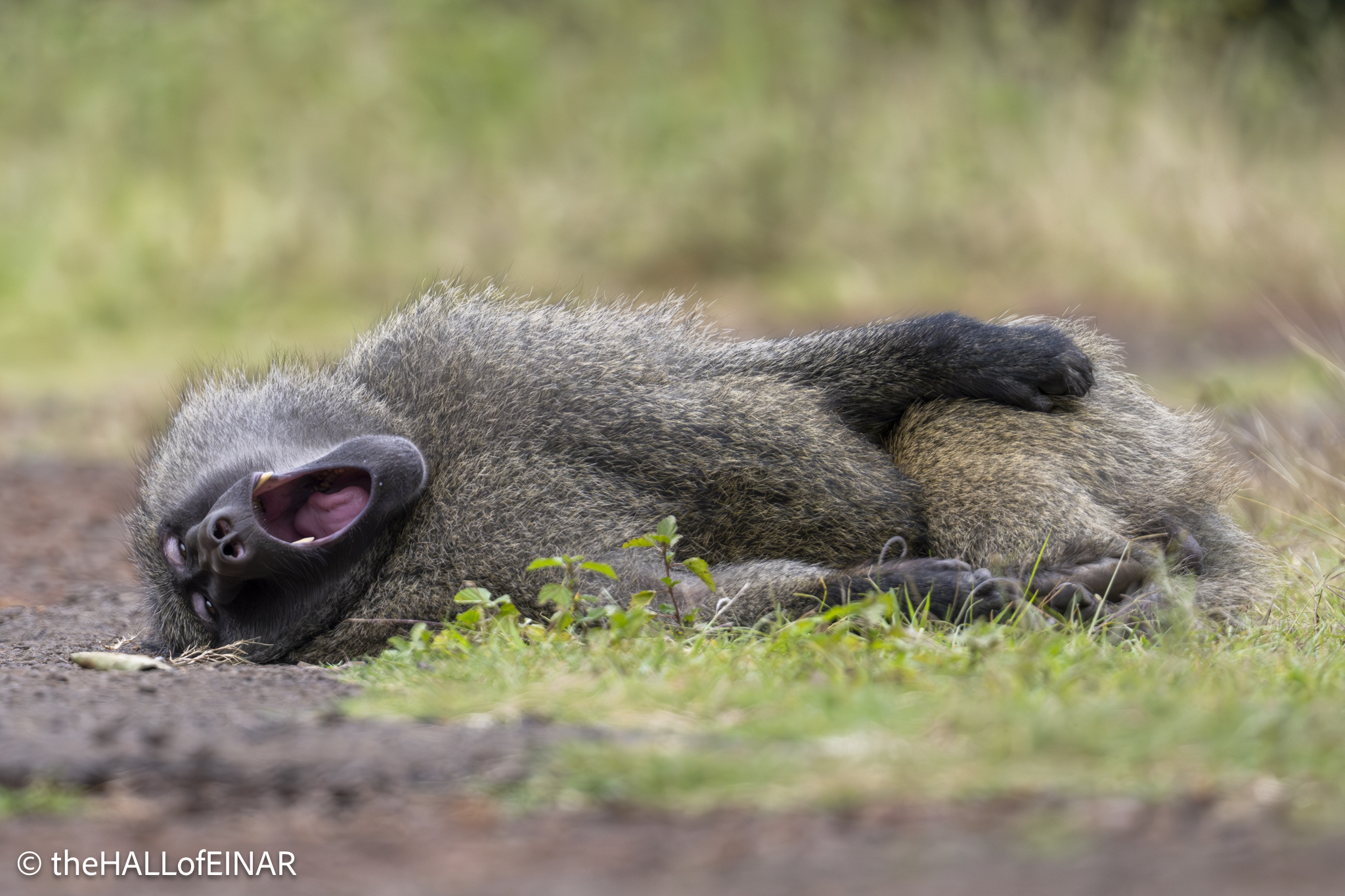
I fancy an afternoon doze as well.
I’ll have to wait for a snooze until we get to Muthoki Country Lodge, in Wamunyu, Machakos County, our home for the next week, as I take part in a literacy programme with a group of volunteers with Kenya Connect.
I wonder if I’ll raise any eyebrows?
More adventures in Kenya
 The rooftop retirement party and the revelation of my Spirit Animal It's been a hectic week volunteering on a literacy programme in Kenya for Kenya Connect. I've had little time to… read more
 The double-jointed ankles of the African Harrier Hawk It's the tiny head which first strikes me; and then the bare face with the orange skin. It's an African… read more
 The street performer – a Bateleur Eagle with a rat We spotted a Bateleur Eagle as soon as we arrived in the Masai Mara. It was distant. All I could… read more
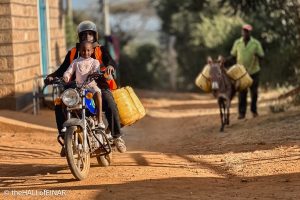 The water carriers To many of the children here, being a superhero means carrying heavy jerrycans of water back to their home to… read more
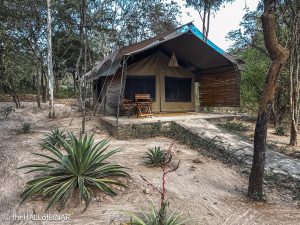 Welcome to my tent for the week We've arrived in Machakos county in Kenya after our journey from Nairobi. We've passed one of the largest shanty towns… read more
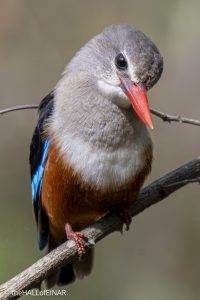 Muthoki Country Lodge and a Grey-Headed Kingfisher Muthoki Country Lodge has been our home in Wamunyu for the week, with luxurious tents and fabulous food. We have… read more
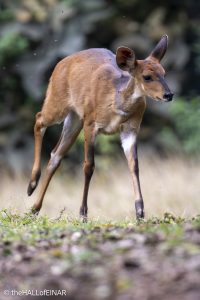 Bushbuck There's what looks like an East African Bushbuck on the forest edge. They're elusive and solitary and brilliantly camouflaged. It's… read more
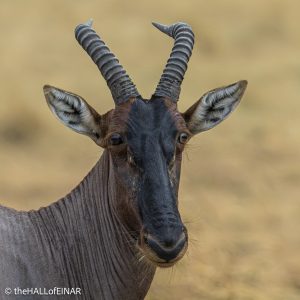 Topi There's a fast antelope called a Topi here. They often like to stand on hillocks, looking like sentinels. The only… read more
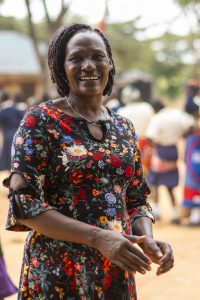 Chicka Chicka Boom Boom, the National Bank of Kenya, and the Reading Road Rally We're out in Kenya Connect's Institution Bus on a road trip for the Reading Road Rally. It's part of my… read more
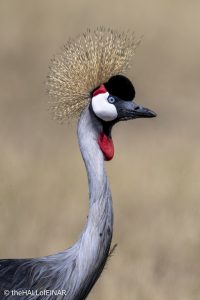 Grey Crowned Crane It's one metre tall and has a two metre wingspan. It has a ridiculous crown. It has an inflatable red… read more
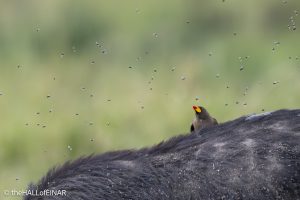 The Rhino’s Guard – the Red-Billed Oxpecker The Red-Billed Oxpecker's scientific name is Buphagus erythrorynchus. Bu means Ox, phagus means eat, erythro means red and rhynchus means… read more
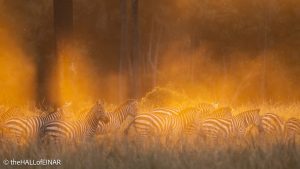 Zebras at sunset and a vision of heaven My guide, Johnson, here at Governors' Camp in the Masai Mara, has been brilliant. He's responded to my every wish,… read more